Today, something remarkable happens. The sun crosses the celestial equator, day and night balance at almost exactly 12 hours each, and winter officially hands the keys over to spring. The Vernal Equinox is one of those rare calendar events that isn't just culturally significant. It's a live, observable demonstration of planetary science happening in real time, right outside your window.
For science educators and enthusiasts, that's an invitation too good to pass up.
What Actually Happens During an Equinox?
Earth orbits the sun on a tilted axis, approximately 23.5 degrees relative to its orbital plane. That tilt is the engine behind our seasons. For most of the year, one hemisphere is tilted toward the sun (receiving more direct sunlight and longer days) while the other tilts away. During an equinox, neither hemisphere is favored. Earth's axis is perpendicular to the sun's rays, and sunlight falls most directly on the equator.
The word equinox comes from the Latin aequus (equal) and nox (night). In theory, every location on Earth experiences equal day and night. In practice, atmospheric refraction bends sunlight slightly, meaning the sun appears above the horizon just a bit longer than geometry alone would predict. It's a small but fascinating wrinkle that opens up great classroom conversations about the difference between idealized models and real-world observations.
The Spring Equinox also marks the moment Earth's Northern Hemisphere begins its tilt back toward the sun. Days will grow longer, solar energy input will increase, temperatures will rise, and the cascade of biological and atmospheric changes we call spring will unfold. All of it traces back to that 23.5-degree tilt.
Classroom Activities: Bringing the Equinox Inside
The equinox is a natural anchor for cross-disciplinary science. Here are some ways to build lessons around it.
Shadow Tracking and Solar Angle
One of the simplest and most powerful equinox activities requires nothing more than a sunny day and a meter stick. Have students measure the length of a shadow cast by a fixed object at different times throughout the day. On the equinox, the sun rises due east and sets due west, and at solar noon, shadows point directly north (in the Northern Hemisphere). Students can calculate the sun's angle of elevation using basic trigonometry, compare their results to theoretical predictions, and discuss why the numbers might not match perfectly.
This is also a great opportunity to introduce the concept of solar declination and how it changes throughout the year, connecting geometry, astronomy, and atmospheric science in a single outdoor observation.
Modeling Earth's Tilt
A globe, a lamp, and a darkened room can demonstrate more about seasons than a week of lectures. Have students position the globe at different points in its "orbit" around the flashlight and observe how the angle of incoming light changes at different latitudes. On the equinox position, they'll see that light falls equally across both hemispheres. This hands-on model makes the abstract geometry of Earth-sun relationships tangible and memorable.
Temperature and Weather Data Collection
Spring is the perfect time to establish ongoing weather monitoring in your classroom or schoolyard. Our Laboratory Thermometers are ideal for setting up simple temperature stations outdoors. Have students record air temperature at the same time each day over several weeks, then graph the data to visualize the warming trend as the Northern Hemisphere tilts progressively toward the sun. This connects the abstract concept of axial tilt to observable, measurable change happening in real time.
Pair temperature data with cloud cover observations using our Cloud Forming Apparatus to explore how atmospheric moisture and pressure systems shift with the seasons. Students can investigate why spring weather is notoriously unpredictable, connecting their local observations to broader atmospheric dynamics.
Add wind speed measurements with our Anemometer to build a more complete picture of local weather patterns. Over time, students accumulate a dataset that tells the story of seasonal change through numbers they collected themselves.
Geology and Seasonal Erosion
Spring brings increased precipitation and snowmelt, making it an excellent time to study erosion and weathering. The freeze-thaw cycles of late winter and early spring are among the most powerful weathering forces in temperate climates. Water seeps into rock cracks, freezes, expands, and gradually fractures the rock. Students can model this process in the classroom and then look for real-world evidence on local rocks, sidewalks, and outcroppings.
Our Rock and Mineral Collections and Rock Study Kit give students hands-on material to examine how different rock types respond to weathering. Which rocks show the most evidence of erosion? Which are most resistant? How does mineral composition affect durability? These questions connect seasonal observation to deeper geological principles.
Biology Wakes Up: Spring as a Living Laboratory
The equinox doesn't just affect rocks and weather. It triggers a cascade of biological responses that are visible, measurable, and endlessly fascinating.
Photoperiodism and Plant Response
Many plants use day length (photoperiod) as a cue for flowering, germination, and growth. As days lengthen past the equinox, these biological clocks respond. Students can investigate photoperiodism by exposing plants to different light durations and observing growth responses, connecting the astronomical event of the equinox to cellular biology and plant physiology.
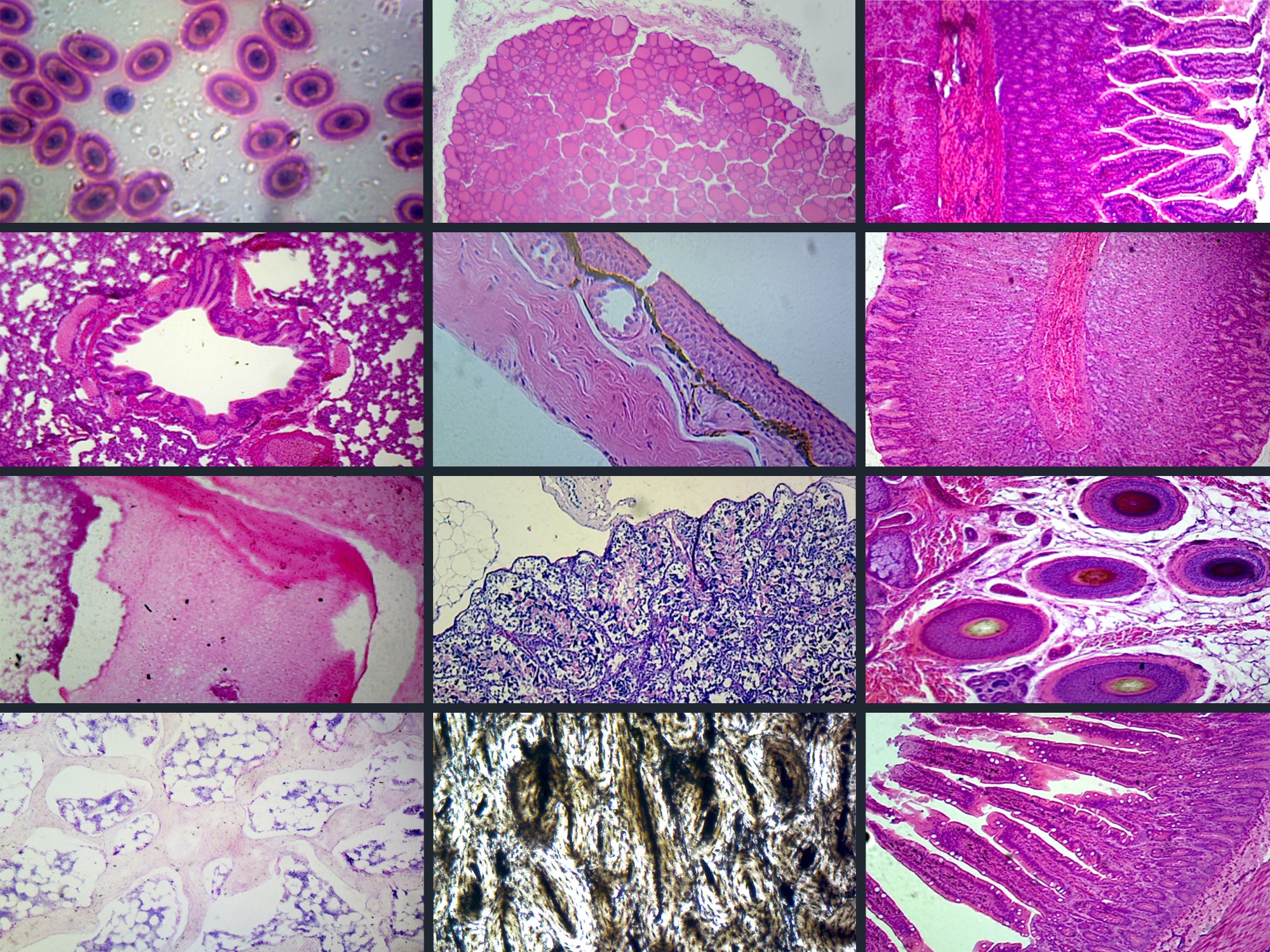
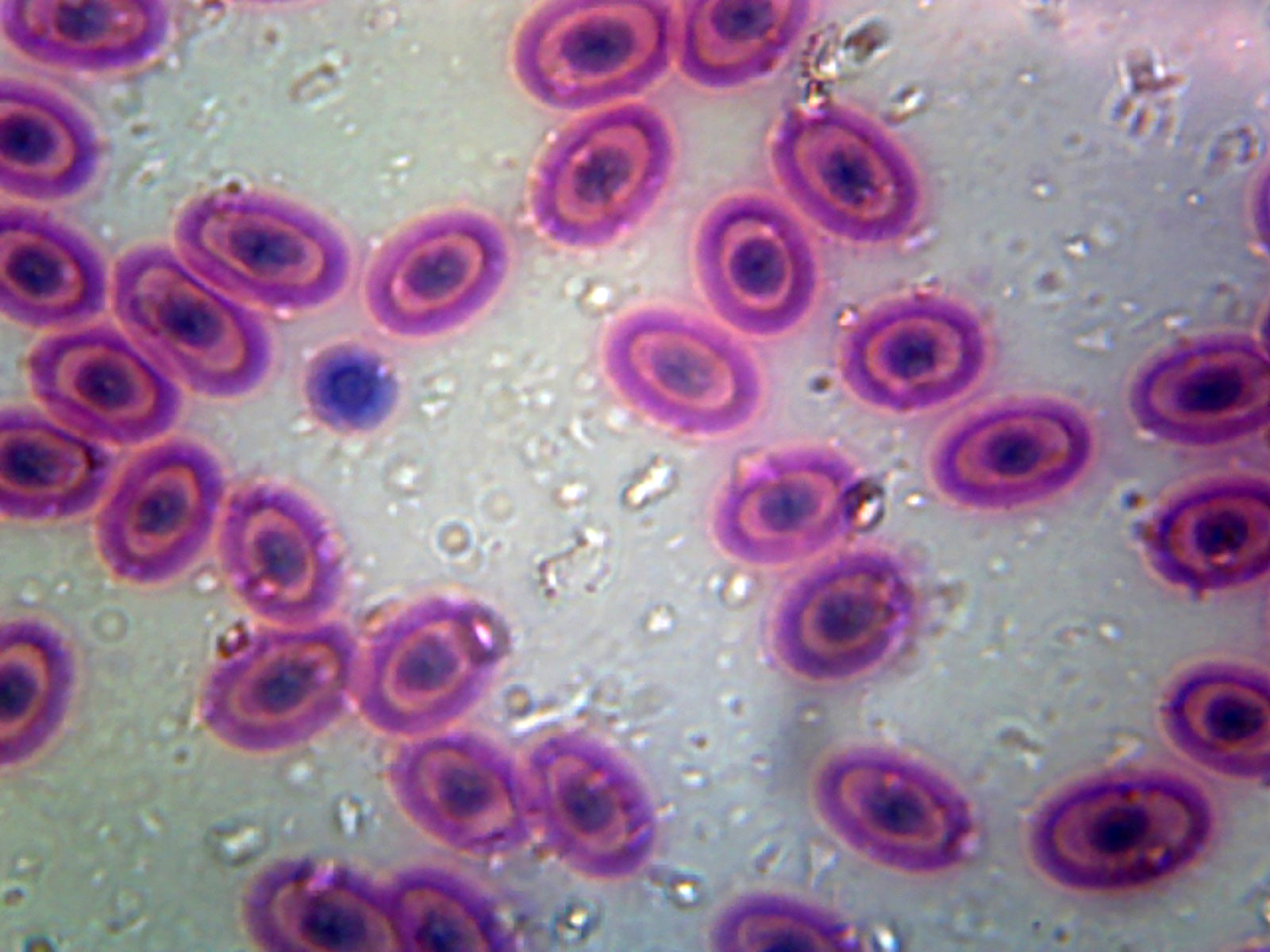
Examining plant tissue under the microscope reveals the cellular machinery behind spring growth. Our Biology Microscope Slide Sets include prepared slides of plant stems, leaves, and cross-sections that let students observe vascular tissue, cell division, and structural adaptations up close. The Syringa Vulgaris Leaf and Zea Mays Corn Stem slides are particularly useful for exploring how plants are structured to capture and transport the increasing solar energy of spring.
Phenology: The Science of Seasonal Timing
Phenology is the study of cyclic and seasonal natural phenomena, things like the first robin sighting, the first flower bloom, or the emergence of insects. It's one of the oldest forms of scientific observation and one of the most accessible for students of any age.
Challenge students to become phenologists. Have them identify three to five observable spring events in their local environment and track when they occur each day. When do the first buds appear on a specific tree? When do certain birds return? When do insects become active? Over multiple years, this data becomes a powerful record of how climate affects seasonal timing.
For Home Educators and Science Enthusiasts: Spring Science Beyond the Classroom
You don't need a school building to do great spring science. Some of the most memorable investigations happen in backyards, parks, and kitchen tables.
Build a Sun Tracker
Mark the position of a shadow at the same time each day for several weeks before and after the equinox. Use a fixed post or stick in a sunny spot and mark the shadow tip each day. Over time, the marks trace a curve that reveals the sun's changing path across the sky. It's a simple, low-tech project that produces genuinely beautiful data and connects directly to the astronomy of the equinox.
Start a Backyard Weather Station
Spring is the ideal time to set up ongoing environmental monitoring at home. A thermometer, a rain gauge, and a simple wind indicator can generate weeks of meaningful data. Pair daily temperature readings with observations about cloud cover, precipitation, and wind to build a personal climate record for your location.
Explore Local Geology
Spring hiking and outdoor exploration offer natural opportunities for geological observation. Bring along our Mineral Collection and Testing Tools Kit to identify rocks and minerals encountered on trails. Look for evidence of frost heaving in soil, examine stream banks for erosion patterns, and collect samples for closer examination at home. The field is the best geology classroom there is.
Microscopy at Home
Spring provides an abundance of microscopy subjects. Pond water collected from a local park teems with microorganisms that become active as temperatures rise. Pollen from early spring flowers, soil samples from the garden, and cross-sections of emerging plant buds all reveal hidden worlds under magnification. Our Prepared Slide Sets provide a curated starting point. Want to make your own? Using plain slides and cover slips, homemade wet mounts from spring specimens add a layer of discovery that prepared slides can't replicate.
Citizen Science Participation
Spring is peak season for citizen science projects. Programs like Journey North track the migration of monarchs, hummingbirds, and other species using observations submitted by volunteers across North America. The USA National Phenology Network collects data on plant and animal seasonal events. Contributing to these projects connects individual observations to a national scientific dataset, giving home learners and enthusiasts a genuine role in ongoing research.
The Equinox as a Starting Point
What makes the Spring Equinox such a powerful teaching moment is that it's not an isolated event. It's a starting gun. The days that follow bring measurable, observable change: rising temperatures, lengthening days, awakening ecosystems, and shifting weather patterns. Every one of those changes is a science lesson waiting to happen.
Whether you're tracking shadows in a schoolyard, collecting pond water in a park, or building a backyard weather station, the equinox gives you a precise, meaningful moment to anchor your observations. Science is most alive when it connects to the world outside the window, and right now, that world is putting on quite a show.