
GSC Blog
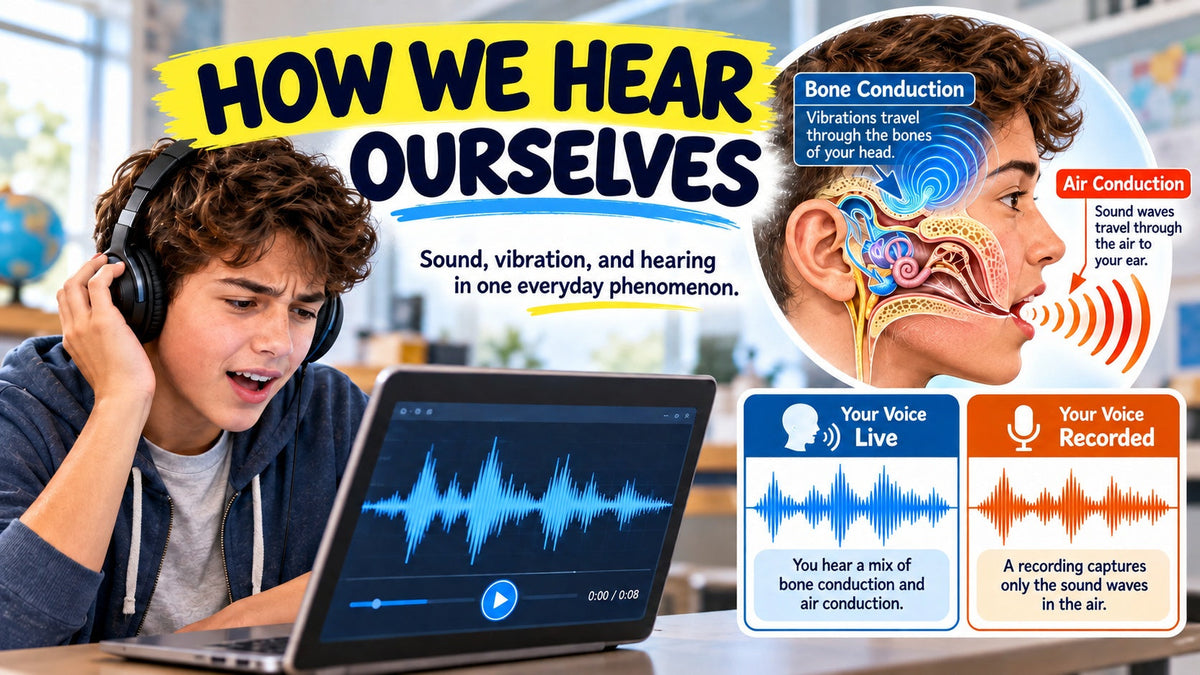
What Your Own Voice Can Teach Students About Sound, Vibrations, and Hearing
Why does your recorded voice sound so different from the voice you hear while speaking? Use this familiar experience to help students investigate vibration, sound waves, air and bone conduction, hearing, waveforms, and evidence-based scientific explanations.
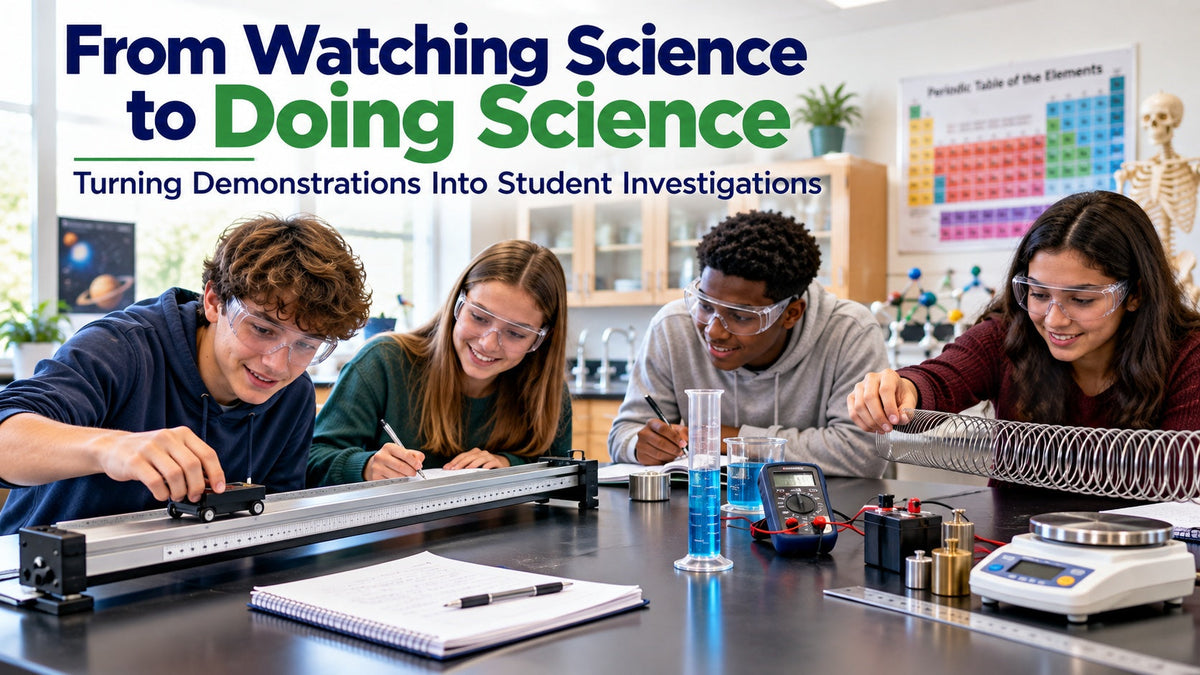
From Watching Science to Doing Science: Turning Demonstrations Into Student Investigations
A great science demonstration can capture students’ attention, but what happens when they get to investigate the phenomenon themselves? Discover practical ways to turn classroom demonstrations into opportunities for prediction, measurement, data collection, and evidence-based thinking, without completely rebuilding your lesson plans.

What Fall Leaves Can Teach Students About Pigments, Photosynthesis, and Evidence
Why do leaves turn yellow, orange, and red each fall? Explore how changing leaves can help students investigate plant pigments, photosynthesis, environmental variables, data collection, and evidence-based scientific reasoning.
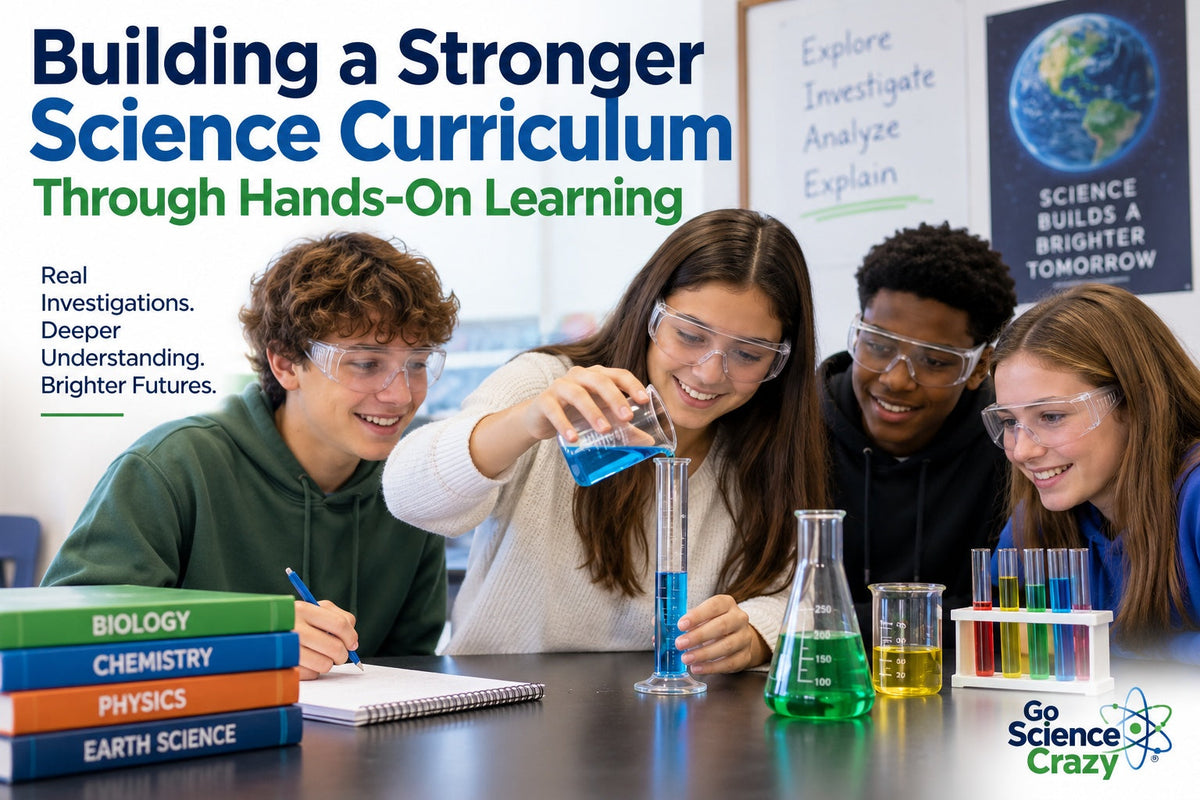
Building a Stronger Science Curriculum Through Hands-On Learning
Strong science programs go beyond covering content. They give students opportunities to investigate, measure, analyze, and connect ideas to real observations. This week’s Monday Blog shares practical ways teachers and school leaders can strengthen science curriculum, improve hands-on learning, and make better decisions about the equipment and resources students need to succeed.
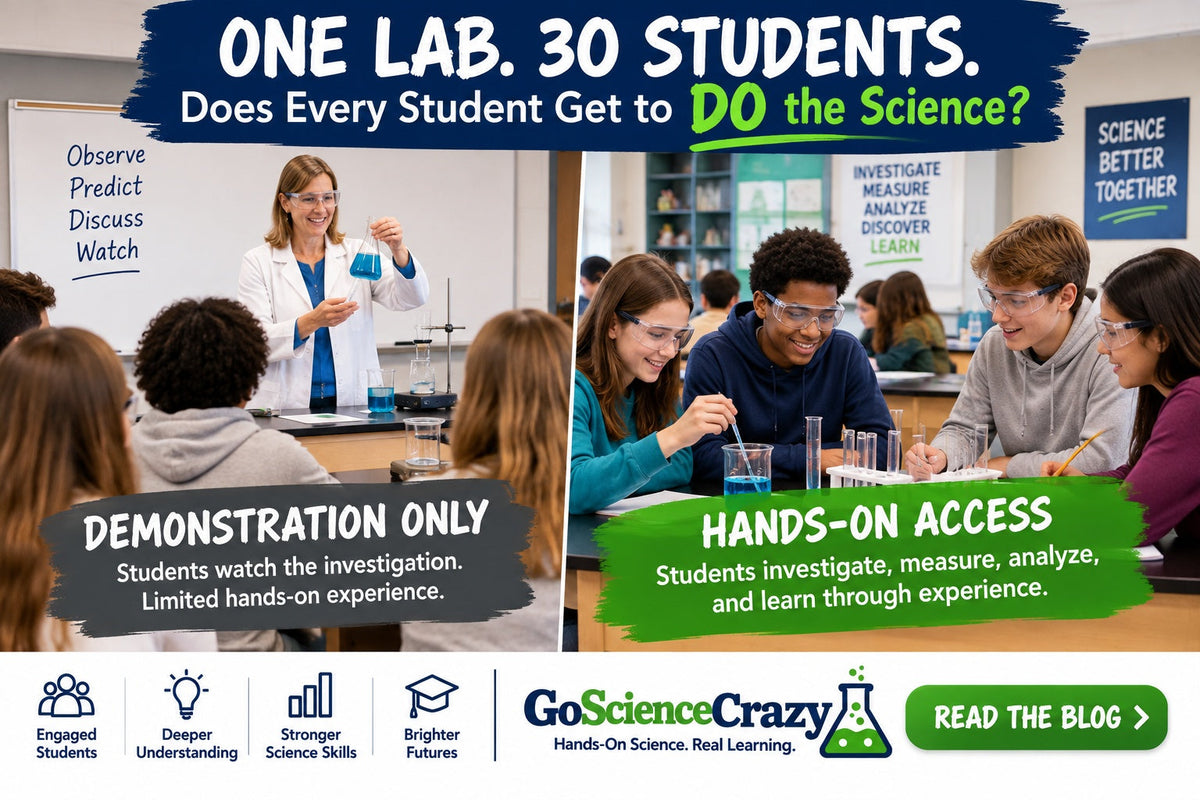
One Lab, 30 Students: What Meaningful Hands-On Science Actually Requires
A science department may have the right equipment, but do students have enough access to actually use it? Explore practical ways schools can evaluate classroom quantities, small-group investigations, shared equipment, and equitable access to hands-on science.
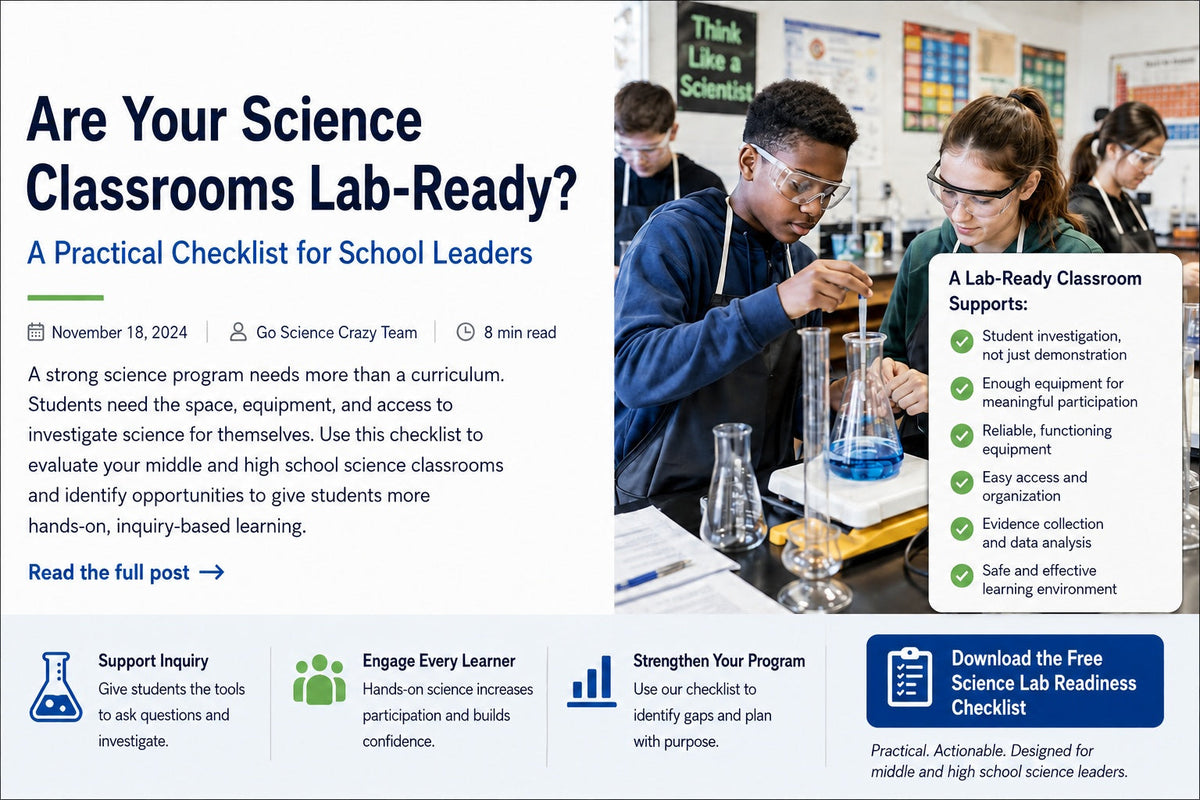
Are Your Science Classrooms Lab-Ready? A Practical Checklist for School Leaders
A strong science program needs more than a good curriculum. Use this practical lab readiness checklist to evaluate equipment, student access, safety, organization, and hands-on learning opportunities across your middle and high school science classrooms.
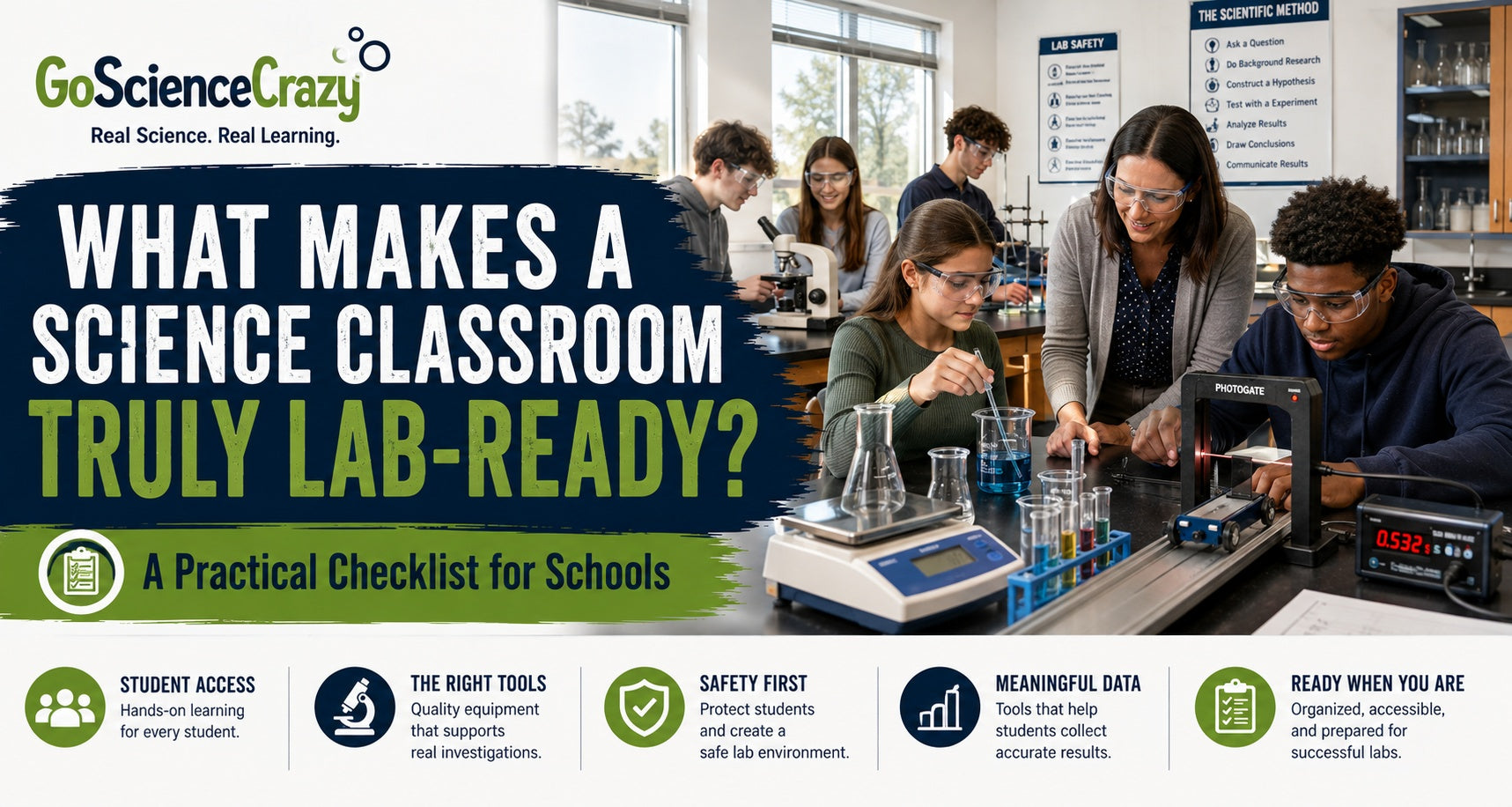
What Makes a Science Classroom Truly Lab-Ready? A Practical Checklist for Schools
A science classroom can have shelves full of equipment and still not be truly ready for hands-on learning. Use this practical checklist to evaluate whether your middle and high school science classrooms have the equipment, organization, safety resources, and accessibility students need to investigate science for themselves.
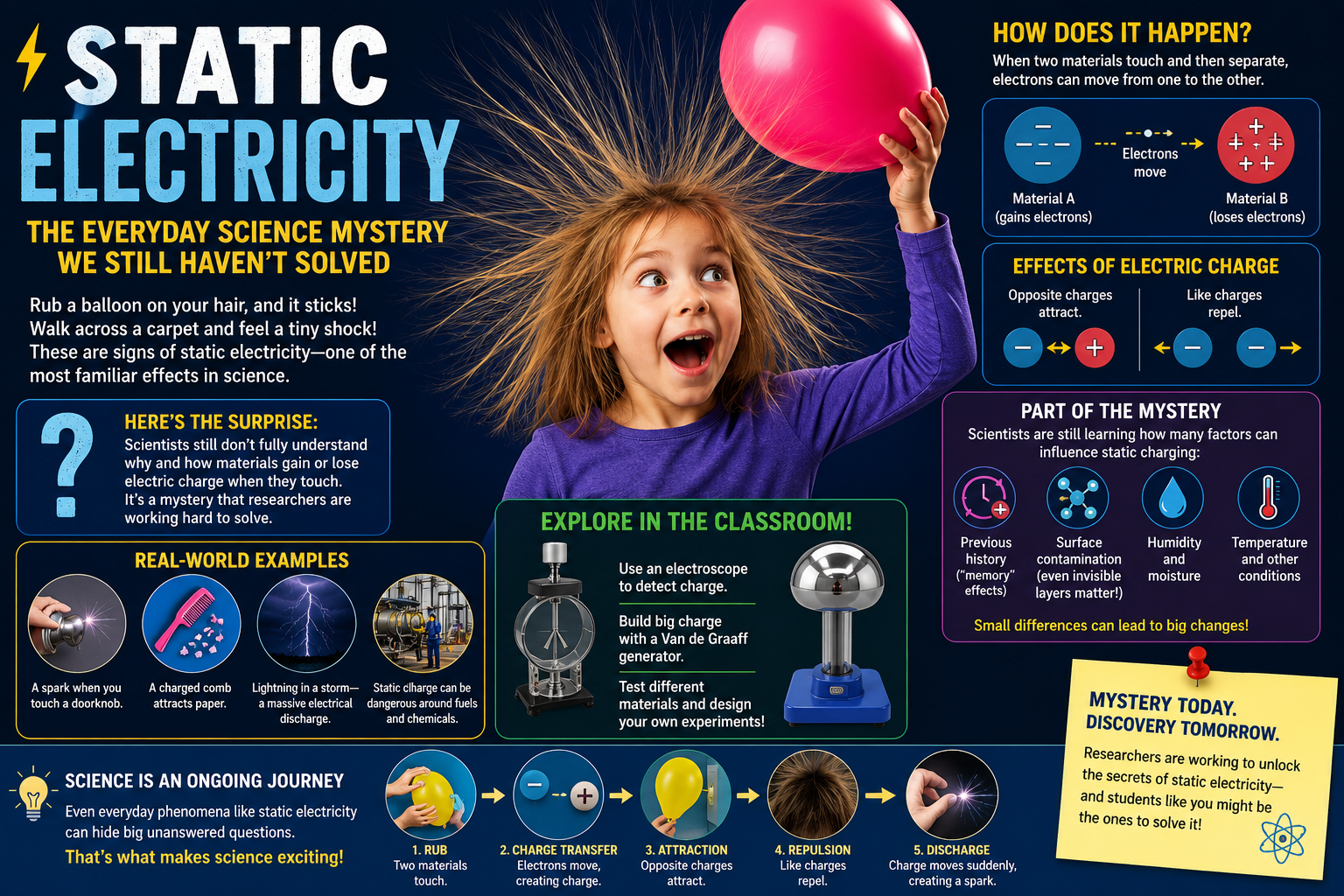
Static Electricity: The Everyday Science Mystery We Still Haven't Solved
Static electricity can make your hair stand on end, stick a balloon to a wall, or give you a surprising shock. But despite how familiar it is, scientists still don't completely understand how static charge develops. Explore the surprising science—and unanswered questions—behind this classroom favorite.
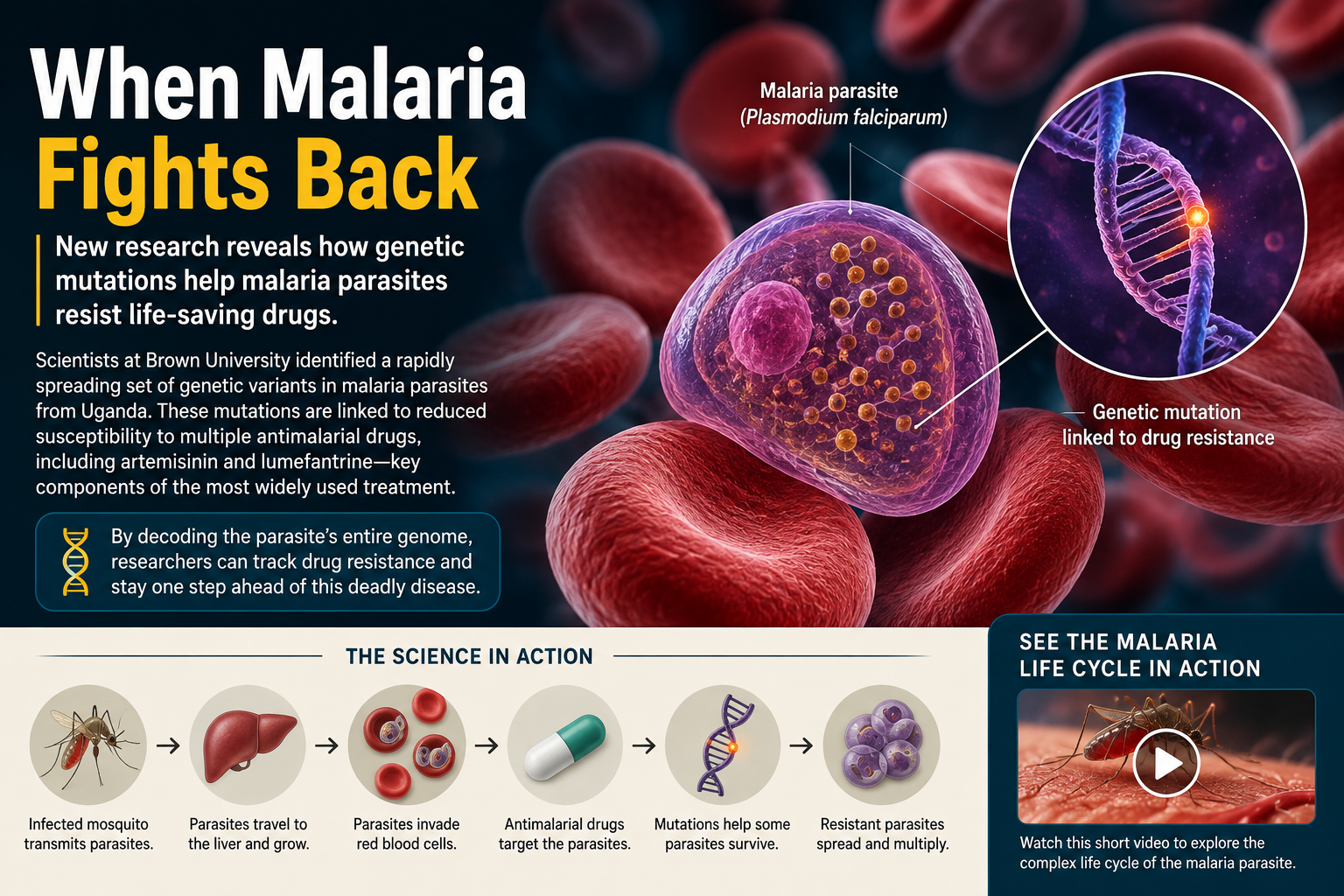
When Malaria Fights Back: How Genetic Changes Can Lead to Drug Resistance
Some malaria parasites carry genetic changes that may help them survive important treatments. Discover how scientists are using genome sequencing to uncover the mutations behind drug resistance and track their spread.
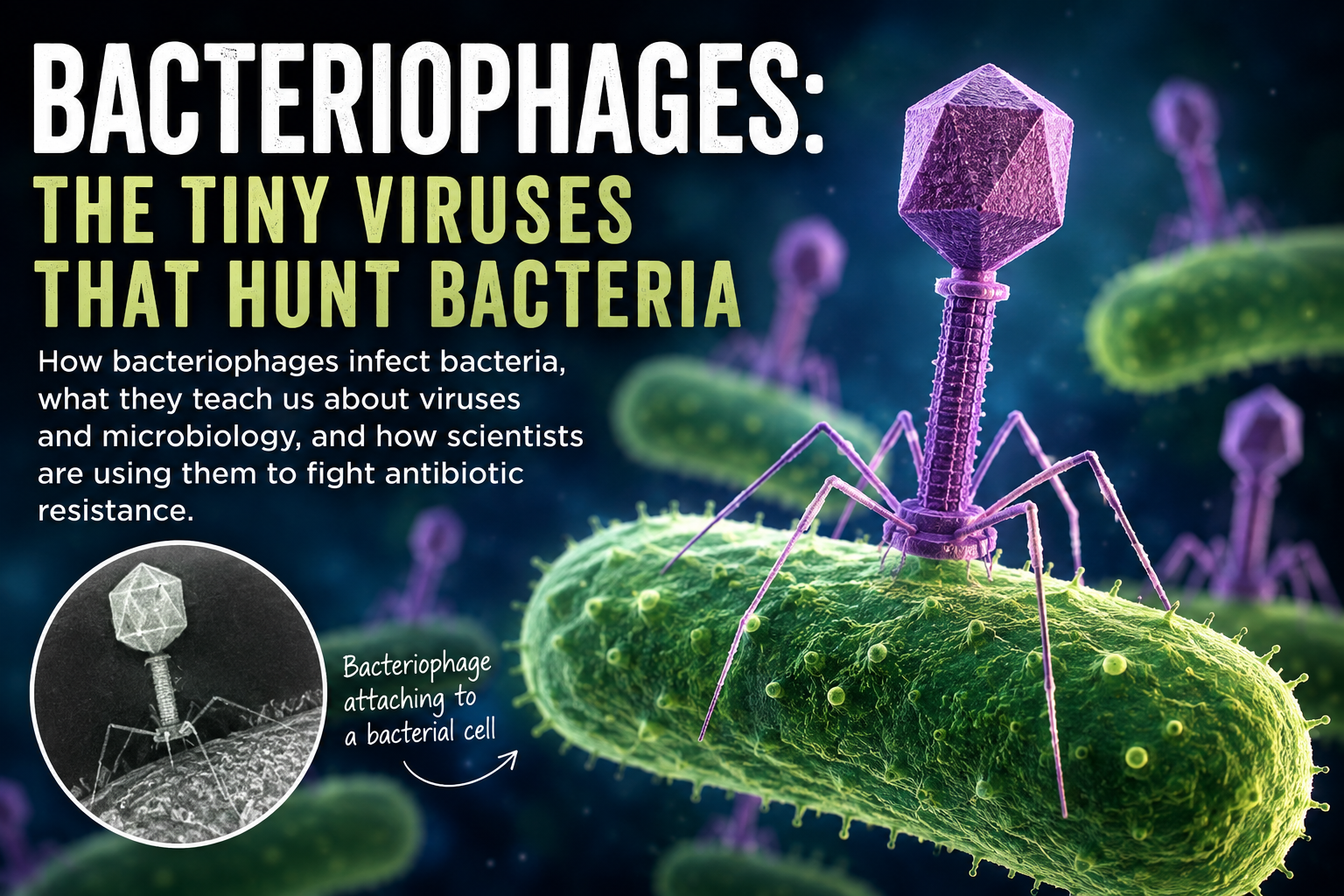
Bacteriophages: The Tiny Viruses That Hunt Bacteria
Bacteriophages are tiny viruses that infect bacteria—and they’re everywhere. Discover how these microscopic “bacteria hunters” reproduce, what they can teach students about viruses, genetics, and evolution, and why scientists are studying phage therapy as a potential tool against antibiotic-resistant bacteria.