Are Your Science Classrooms Lab-Ready? A Practical Checklist for School Leaders
A strong science program needs more than a curriculum. Students also need the space, equipment, and access to investigate science for themselves.
A science classroom can have an excellent teacher, a strong curriculum, and ambitious learning goals.
But when it is time for students to actually investigate a concept, another question matters:
Is the classroom ready for them to do it?
Lab readiness is not simply about having a cabinet full of science equipment.
A classroom is truly lab-ready when students can safely and realistically move from learning about science to observing, measuring, testing, comparing, collecting evidence, and drawing conclusions.
For middle and high school science programs, that makes equipment planning an instructional issue, not just a purchasing issue.
Here are several questions schools and districts can use to evaluate where their science classrooms stand.
1. Can Students Investigate, or Can They Only Watch?
Teacher demonstrations are valuable. Sometimes they are the safest or most practical way to introduce a concept.
But demonstrations should not be the only hands-on science students experience.
There is an important difference between watching a teacher demonstrate projectile motion and having students:
-
predict where a projectile will land
-
launch it themselves
-
measure distance or velocity
-
record data
-
compare results
-
revise their explanation
The equipment question, therefore, is not simply:
“Do we own one?”
A better question is:
“Do we have enough equipment for students to meaningfully participate?”
For some activities, one apparatus per classroom may be perfectly appropriate.
For others, a class of 30 students trying to share one piece of equipment turns an investigation into another demonstration.
2. Is the Equipment Matched to the Curriculum?
A well-equipped science department is not necessarily the department with the most equipment.
It is the one with the right equipment for the science students are expected to investigate.
Review your middle and high school curriculum and ask:
What concepts should students be able to observe directly?
Where should they collect quantitative data?
Which lessons would benefit from student-designed investigations?
What equipment is necessary for required labs?
Where are teachers currently improvising because the appropriate tools are unavailable?
Physics programs may need equipment for force, motion, electricity, waves, optics, and energy.
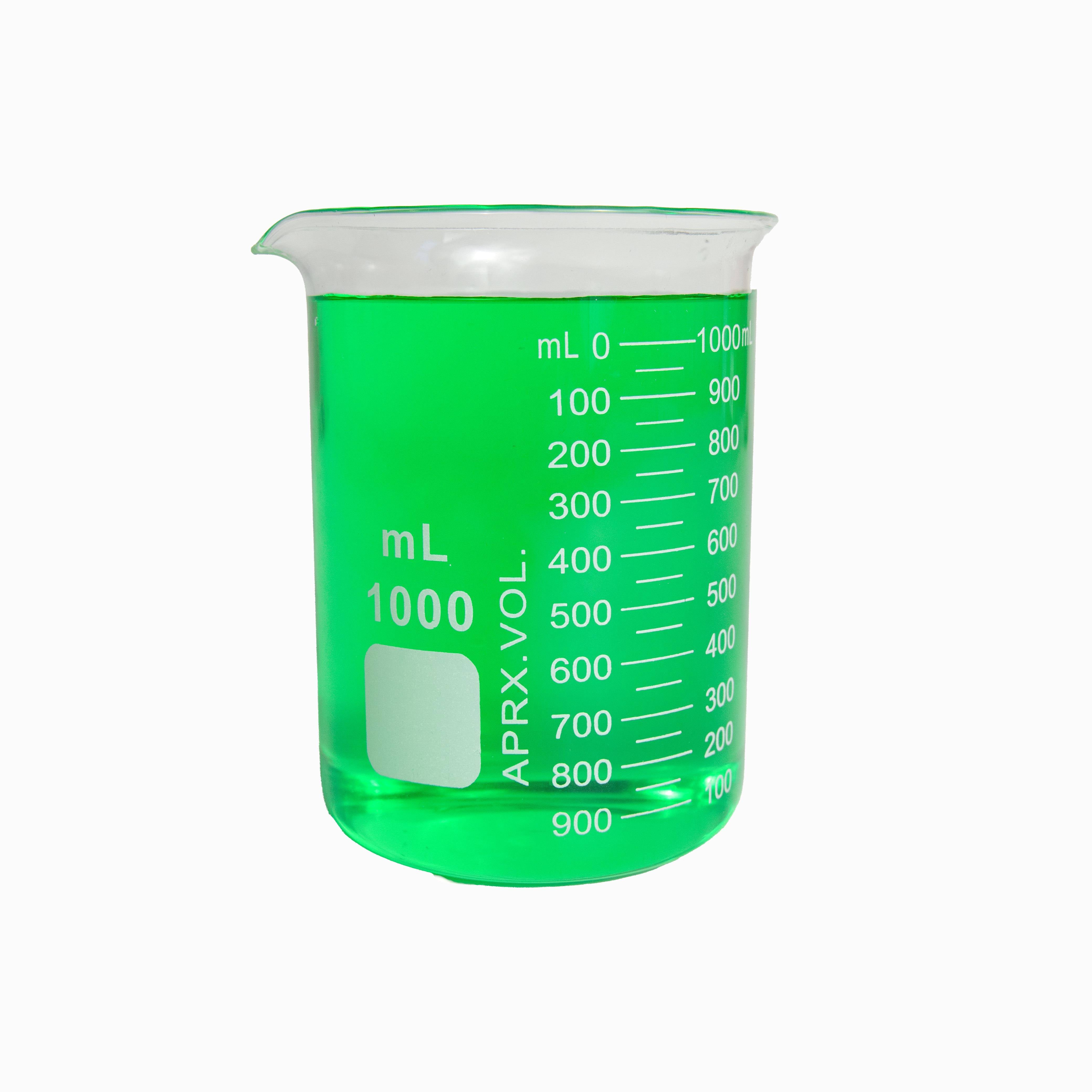
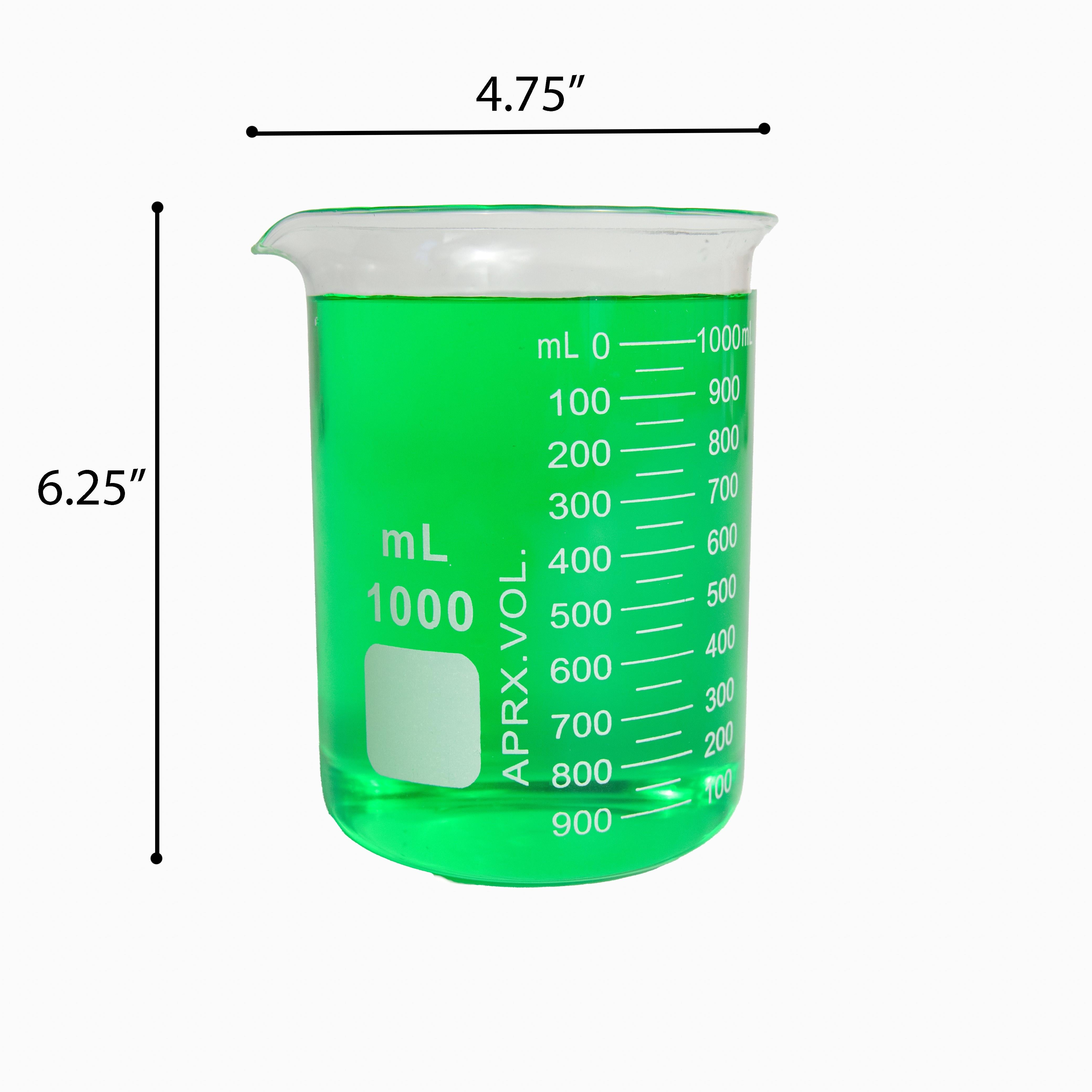
Chemistry classrooms may need reliable glassware, measurement equipment, molecular models, lab supports, and heating tools.
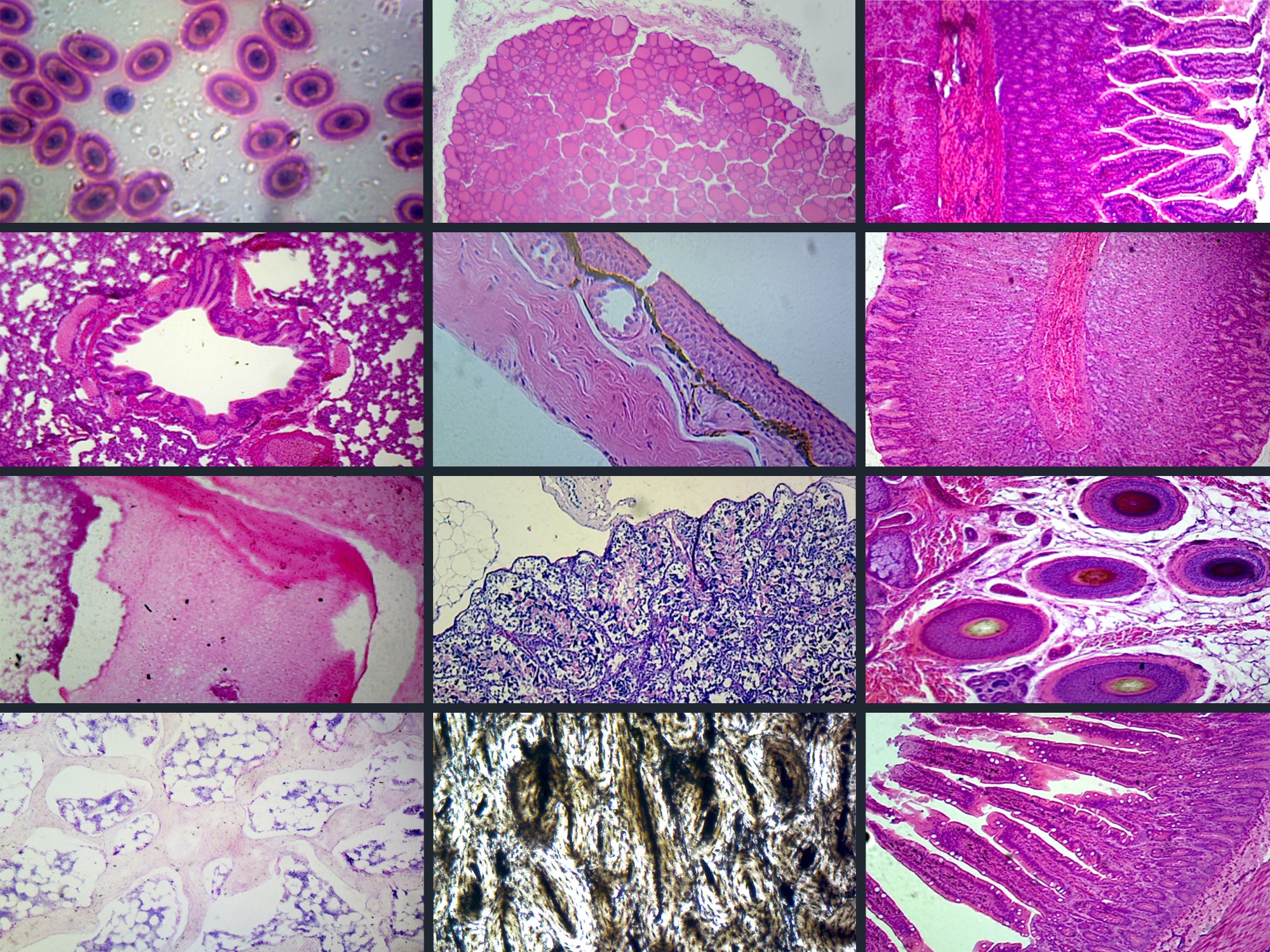
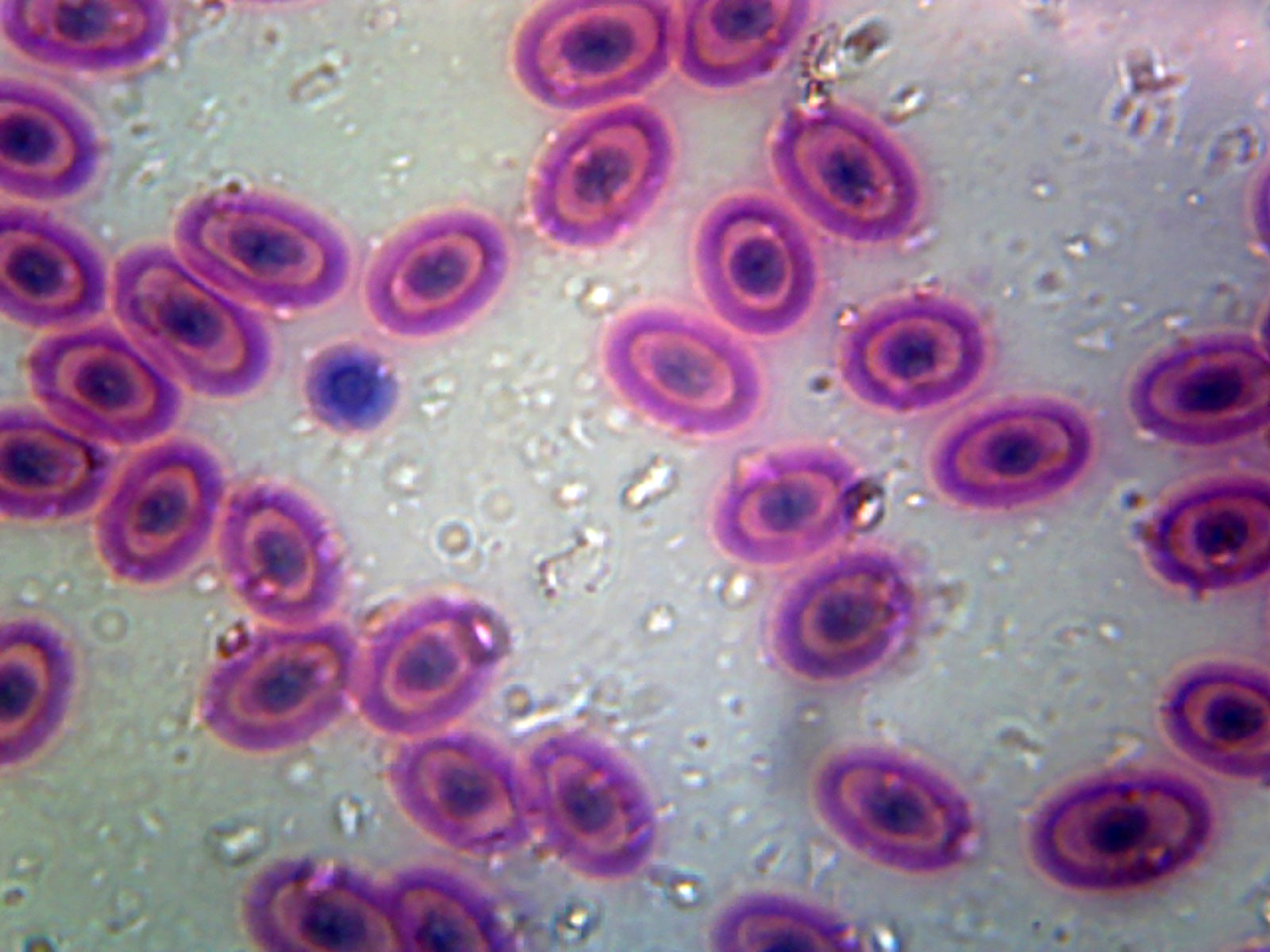
Biology courses may require microscopes, prepared slides, dissection tools, models, and materials for studying cells, anatomy, genetics, and ecosystems.
The goal is not to build an impressive-looking stockroom.
It is to make sure equipment supports what teachers are actually trying to teach.
3. Is There Enough Equipment for the Way Classes Are Taught?
Quantity deserves its own conversation.
Imagine a class of 30 students performing an investigation in groups of three.
That lesson potentially requires 10 working lab stations.
If the department owns three complete setups, teachers face limited options:
-
make groups much larger
-
rotate students through stations
-
change the activity
-
demonstrate the experiment instead
-
skip it altogether
None of those automatically means poor instruction.
But if it happens repeatedly, equipment availability may be shaping the curriculum more than anyone realizes.
When evaluating quantities, consider:
Typical class size
Preferred lab-group size
Number of sections using the equipment
Whether multiple teachers need the same equipment simultaneously
Setup and cleanup time
How often the equipment appears throughout the curriculum
A relatively inexpensive item used in six different investigations may deserve a much higher quantity than a specialized apparatus used once a year.
4. Does the Equipment Still Work Reliably?
Science equipment does not have to look new.
It does need to work.
An annual or semester equipment review can uncover problems before teachers discover them halfway through a lab.
Check for:
-
cracked or chipped glassware
-
damaged electrical leads
-
missing components
-
balances that no longer zero properly
-
thermometers or sensors giving inconsistent readings
-
microscope illumination problems
-
worn mechanical parts
-
incomplete equipment sets
-
missing clamps, stands, connectors, or accessories
-
equipment that is technically functional but too unreliable for useful student data
Students should be able to wrestle with the science question, not spend the entire lab wondering whether the apparatus is causing the strange result.
That said, imperfect data can be valuable too.
Measurement uncertainty, experimental error, and unexpected results are all part of authentic scientific investigation.
The key distinction is between interesting experimental variation and equipment failure.
5. Can Teachers Find What They Need?
A lab can contain plenty of equipment and still be difficult to use.
Sometimes the problem is not availability.
It is accessibility.
Ask teachers:
Do you know what equipment the department owns?
Do you know where it is stored?
Can you tell whether another teacher is using it?
Are complete experiment sets stored together?
Are frequently used items easy to access?
Are replacement parts and accessories clearly organized?
A simple department inventory can save enormous amounts of instructional preparation time.
Consider organizing equipment by:
-
science discipline
-
curriculum unit
-
experiment
-
equipment type
-
classroom
-
storage location
A spreadsheet does not make science more exciting.
But knowing exactly where the photogates are certainly helps.
6. Are Teachers Avoiding Labs Because Setup Is Too Difficult?
This is one of the most useful questions administrators can ask.
Teachers may have equipment available and still avoid using it because:
-
setup takes too long
-
pieces are missing
-
equipment is stored in another part of the building
-
there are not enough complete sets
-
instructions have disappeared
-
replacement consumables are unavailable
-
cleanup is too complicated
-
the equipment has become unreliable
That does not mean the teacher is unwilling to conduct hands-on science.
It may mean the system surrounding the equipment is creating unnecessary friction.
Ask teachers directly:
“What experiment would you do more often if the equipment were easier to access and use?”
The answers may reveal surprisingly practical opportunities for improvement.
7. Can Students Collect Evidence, Not Just See a Result?
One of the strongest indicators of a lab-ready classroom is whether students can gather evidence themselves.
Instead of simply observing that one object travels farther than another, can students measure the difference?
Instead of seeing that temperature changes, can they collect and graph temperature data?
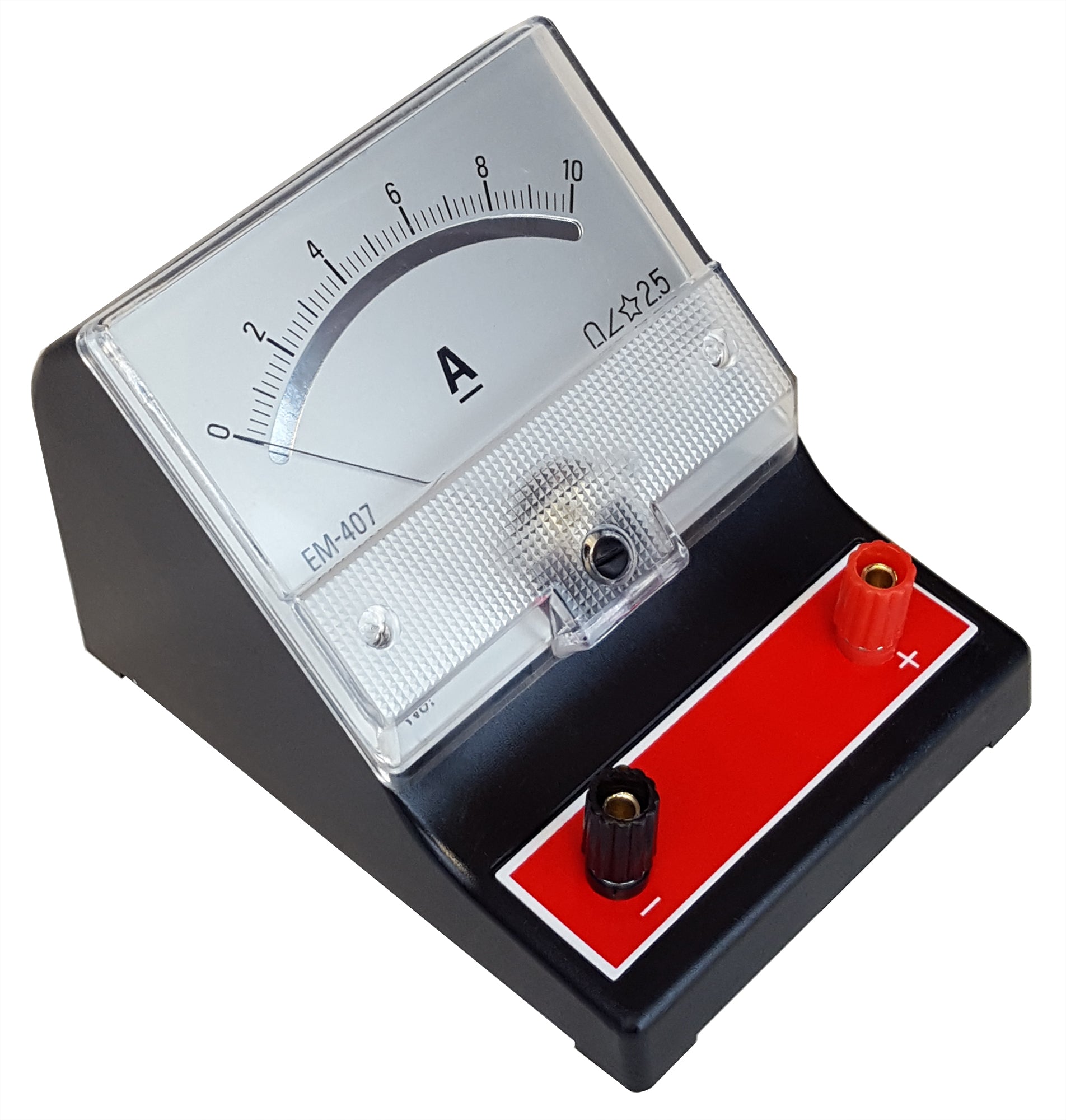
Instead of looking at a circuit, can they measure voltage or current?
Instead of viewing a specimen, can they identify, compare, sketch, classify, or quantify what they observe?
Hands-on learning becomes especially powerful when students move from:
“I saw it happen.”
to:
“Here is the evidence that supports my explanation.”
That shift supports many of the science and engineering practices emphasized throughout the Next Generation Science Standards, including Planning and Carrying Out Investigations, Analyzing and Interpreting Data, Using Mathematics and Computational Thinking, and Engaging in Argument from Evidence.
8. Does the Lab Support Safe Student Participation?
Lab readiness and lab safety go together.
Schools should regularly review whether science classrooms have appropriate:
-
eye protection
-
storage
-
labeling
-
cleanup materials
-
lab supports
-
electrical equipment
-
heating equipment
-
student workspace
-
teacher visibility
-
safety procedures
Equipment quantities also affect safety.
Crowding too many students around one apparatus can create unnecessary risk even when the apparatus itself is perfectly safe.
The question should always be:
Can students use this equipment safely in the environment where it will actually be used?
9. Are Replacement and Expansion Plans Proactive?
Science departments often accumulate equipment over decades.
That can be a tremendous resource.
It can also create a cycle where equipment is replaced only after something breaks.
A stronger approach is to develop a simple three-category plan.
Keep
Equipment that works well, supports the curriculum, and exists in adequate quantities.
Replace
Equipment that is damaged, unreliable, outdated, incomplete, or increasingly difficult to maintain.
Expand
Equipment that works well but is available in quantities too small for meaningful student participation.
This helps schools separate three very different needs.
Buying another set of a successful apparatus is different from replacing failed equipment.
Both may be worthwhile investments.
10. Ask the People Using the Equipment
No lab-readiness review should happen entirely from an office.
Science teachers know where the friction points are.
Ask them:
Which labs work especially well?
Which labs are difficult to run because of equipment limitations?
What equipment gets used constantly?
What sits unused, and why?
Where do you need additional quantities?
What equipment would allow students to investigate a concept rather than simply watch it?
Then ask students something too:
“What do you wish you could do more of in science class?”
Their answers may include experiments, microscopes, building, measuring, designing, working outside, collecting data, or conducting investigations in smaller groups.
Those responses can help identify the difference between a science program students experience actively and one they mostly experience from their seats.
A Quick Science Lab Readiness Checklist
When reviewing a middle or high school science classroom, ask:
Curriculum
-
Does available equipment support the major investigations in the curriculum?
-
Are there gaps where teachers routinely substitute demonstrations for student investigations?
Quantity
-
Are there enough complete setups for appropriate lab-group sizes?
-
Can multiple sections realistically use the equipment?
Condition
-
Is equipment functional, accurate, complete, and safe?
-
Are damaged or unreliable items identified before they are needed?
Access
-
Can teachers quickly locate equipment?
-
Is there a usable inventory system?
-
Are complete experiment setups easy to assemble?
Student Participation
-
Can students manipulate equipment themselves?
-
Can they collect measurable evidence?
-
Can they repeat trials and compare results?
Teacher Input
-
Have science teachers identified their highest-priority needs?
-
Do purchasing decisions reflect how equipment is actually used?
Planning
-
Is there a process for replacing, expanding, and maintaining equipment?
-
Are purchases connected to curriculum goals rather than isolated requests?
Lab Readiness Is Really About Opportunity
A science department does not need every apparatus available.
It does need the tools that give students repeated opportunities to do science.
To ask a question.
Make a prediction.
Set up an investigation.
Measure something.
Discover that the result is not quite what they expected.
Compare evidence.
Change their explanation.
And try again.
For teachers, principals, curriculum leaders, superintendents, and district teams, lab readiness is ultimately about creating those opportunities consistently across classrooms.
The question is not simply whether science equipment exists somewhere in the building.
The question is whether students can use it to investigate the world around them.
At Go Science Crazy, we help middle and high school science programs equip classrooms for hands-on investigation across physics, chemistry, biology, Earth science, and general science.
Whether you are replacing aging equipment, expanding student lab stations, equipping a new classroom, or reviewing the needs of an entire science department, our team can help you identify practical options for your program.
Explore classroom science equipment and resources at Go Science Crazy.
Planning equipment purchases for a school or district? Contact us for assistance with quotes, classroom quantities, and purchasing options.