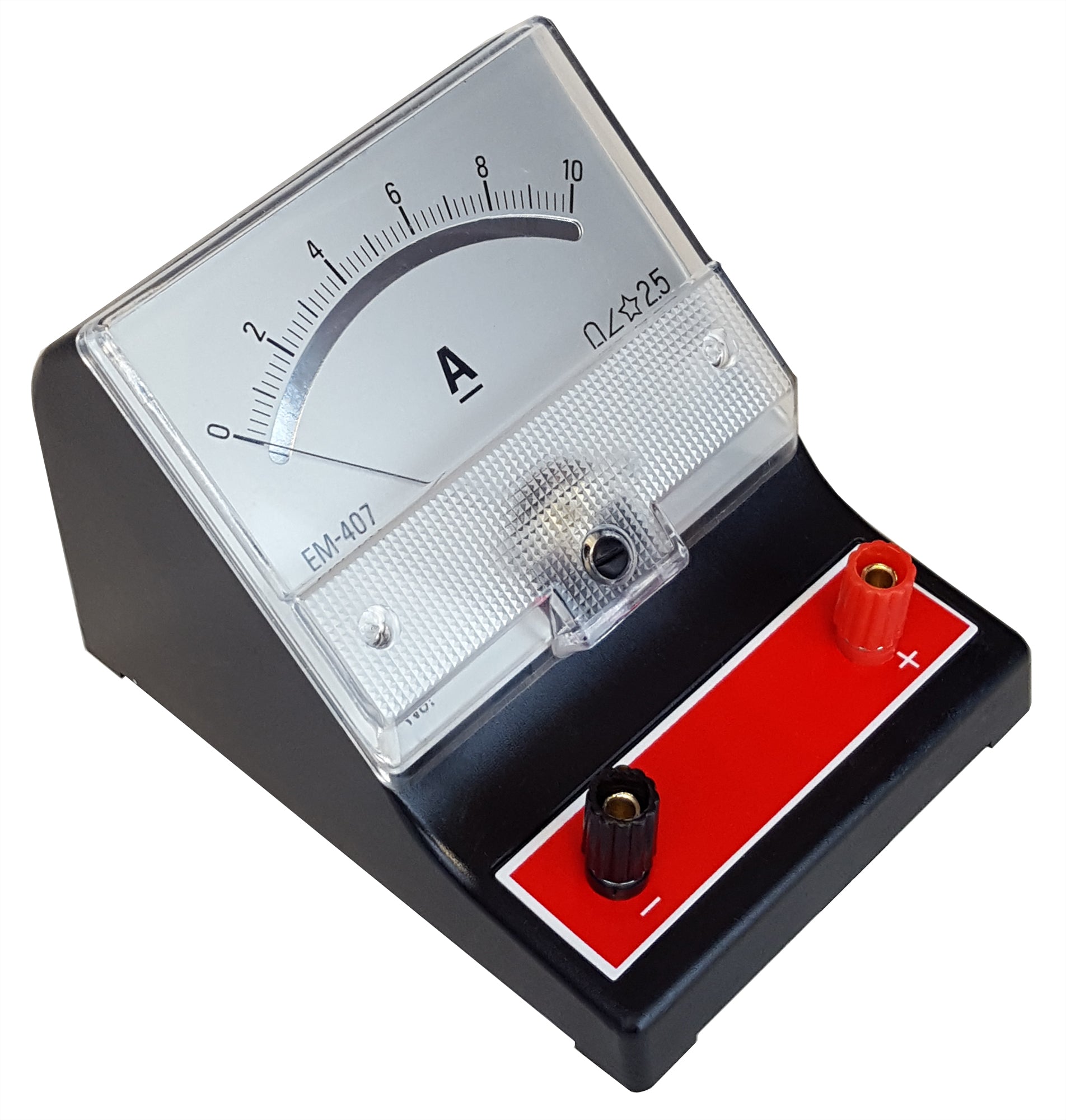
By November, science classrooms have been through enough investigations, demonstrations, lab setups, and student use to reveal what is working and what is not.
A balance that seemed fine in August may now be giving inconsistent readings. Glassware may have disappeared into different classrooms. A frequently used activity may be taking much longer to set up than expected. Consumables that looked plentiful at the beginning of the semester may suddenly be running low.
This makes the middle of the semester an ideal time for a science lab checkup.
The goal is not simply to count equipment.
A useful review looks at whether teachers have what they need to provide students with meaningful opportunities to observe, measure, investigate, collect data, and analyze evidence.
For teachers, a mid-semester review can make the second half of the year easier to manage.
For department chairs and administrators, it can reveal equipment priorities before purchasing decisions become urgent.
Most importantly, it can help identify small problems before they begin limiting instruction.
Start With the Investigations You Have Actually Used
A beginning-of-year inventory tells you what is supposed to be in the science department.
A mid-semester review tells you what teachers are actually using.
That distinction matters.
Instead of beginning with shelves and storage cabinets, start with the curriculum.
Look back at the investigations completed so far and ask:
Which equipment was used repeatedly?
Which activities required teachers to borrow materials from another classroom?
Which investigations were difficult to organize because there were not enough student sets?
Which pieces of equipment worked especially well?
Which activities were skipped or modified because the necessary resources were unavailable?
This approach connects equipment planning directly to instruction.
A piece of equipment that supports several units may deserve a higher priority than something that appears impressive but is rarely used.
Likewise, a simple measuring tool used every week may have more instructional value than specialized equipment used once a year.
Check the Equipment Students Depend On for Measurement
Measurement is central to hands-on science.
Students use measurements to move from:
“I noticed something changed.”
to:
“Here is the evidence showing how it changed.”
That makes basic measuring equipment especially important.
Review commonly used items such as:
-
Balances
-
Thermometers
-
Rulers and meter sticks
-
Graduated cylinders
-
Timers
-
Electrical meters
-
Force measurement tools
-
Other instruments used regularly in classroom investigations
The question is not only whether the equipment is present.
Ask whether it is still functioning well enough to support meaningful student data.
Do several balances give noticeably different measurements for the same object?
Are thermometer markings still easy to read?
Are graduated cylinders damaged or difficult to read accurately?
Do electrical meters work consistently?
Are rulers, probes, or other measurement tools missing from student groups?
Inconsistent equipment can easily become inconsistent data.
That does not mean every measurement in a classroom must be identical. Variation is part of real scientific investigation.
However, teachers should know whether differences are coming from the phenomenon students are studying or from equipment that is no longer performing reliably.
Look for the Equipment Bottlenecks
Many science departments do not discover their biggest equipment problems by looking at an inventory spreadsheet.
They discover them while trying to teach.
Perhaps there are 12 student groups but only six usable pieces of equipment.
Perhaps three classrooms need the same resource during the same week.
Perhaps one investigation requires so much sharing that students spend more time waiting than investigating.
These are equipment bottlenecks.
They matter because access affects how a lesson can be taught.
When equipment is limited, teachers may need to turn a student investigation into a teacher demonstration.
They may increase group sizes until only one or two students are actively participating.
They may shorten the investigation.
Sometimes they may skip it completely.
A mid-semester review is a good time to identify these patterns.
Ask teachers:
Where are students spending more time waiting for equipment than using it?
That single question can reveal some of the most useful purchasing priorities for the department.
Review What Is Being Shared Between Classrooms
Shared equipment can be an efficient way to support science instruction, especially for equipment that is expensive or used only during certain units.
But shared resources only work when teachers can access them when needed.
Consider whether the department has a clear system for:
-
Reserving shared equipment
-
Returning materials
-
Identifying missing components
-
Reporting damaged equipment
-
Keeping complete sets together
-
Storing equipment between units
If teachers repeatedly spend time searching for clamps, cords, weights, glassware, stands, or small components, the problem may not be the amount of equipment.
It may be the organization system.
A simple labeling or checkout process can sometimes improve laboratory readiness without requiring any new purchases.
Pay Attention to Small Missing Pieces
A science setup can become unusable because of one inexpensive missing component.
The stand may still be there, but the clamp is missing.
The electrical equipment may work, but the connecting leads have disappeared.
The apparatus may be complete except for one weight, stopper, tube, or holder.
These small losses are easy to overlook during a general inventory.
Instead of counting only major pieces of equipment, look at complete working setups.
Ask:
Could a teacher take this equipment off the shelf today and use it for the intended investigation?
If the answer is no, identify what is missing.
Replacing a small component may return an entire piece of equipment to regular classroom use.
Check Glassware and Frequently Handled Labware
Glassware and general laboratory supplies often experience some of the heaviest use in a science classroom.
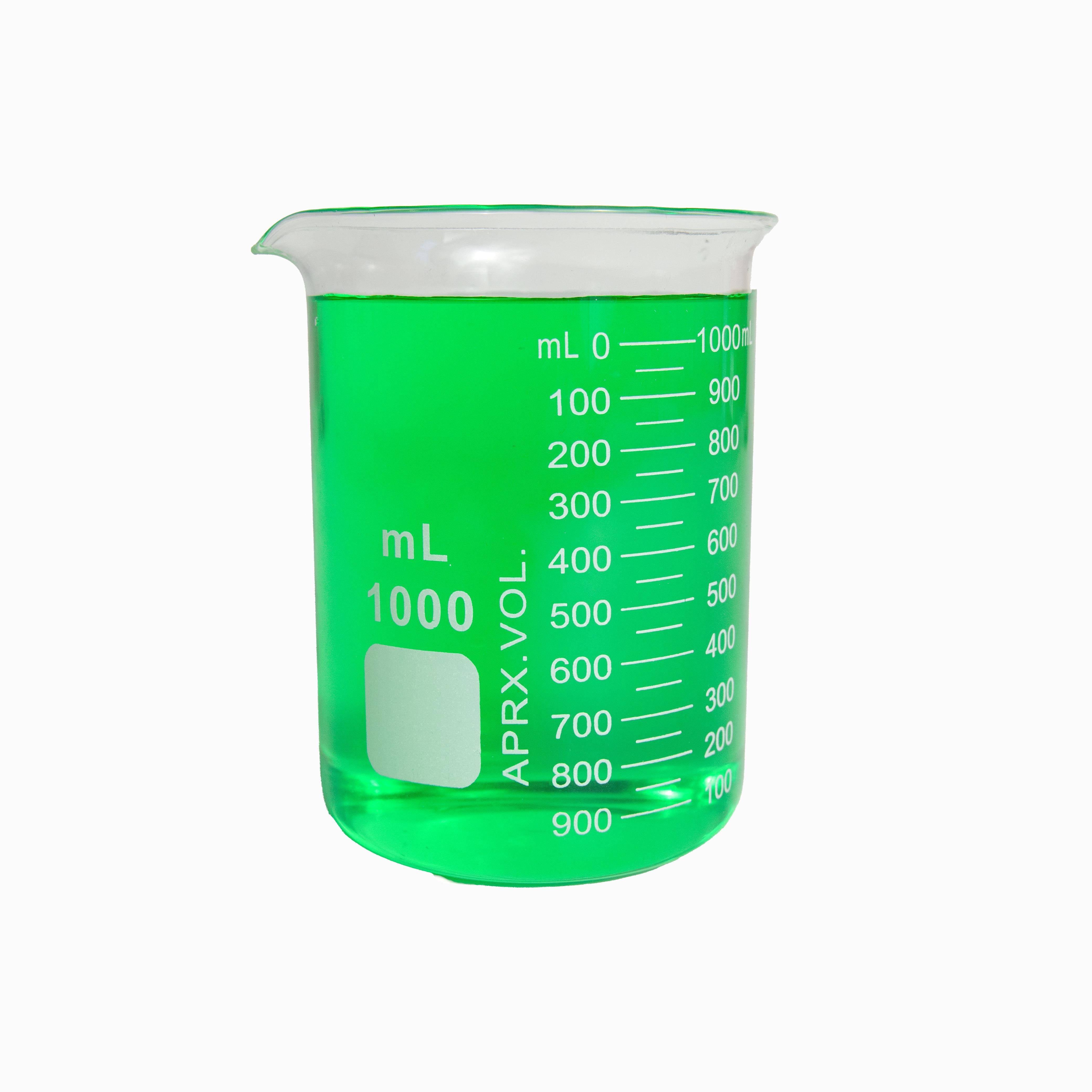
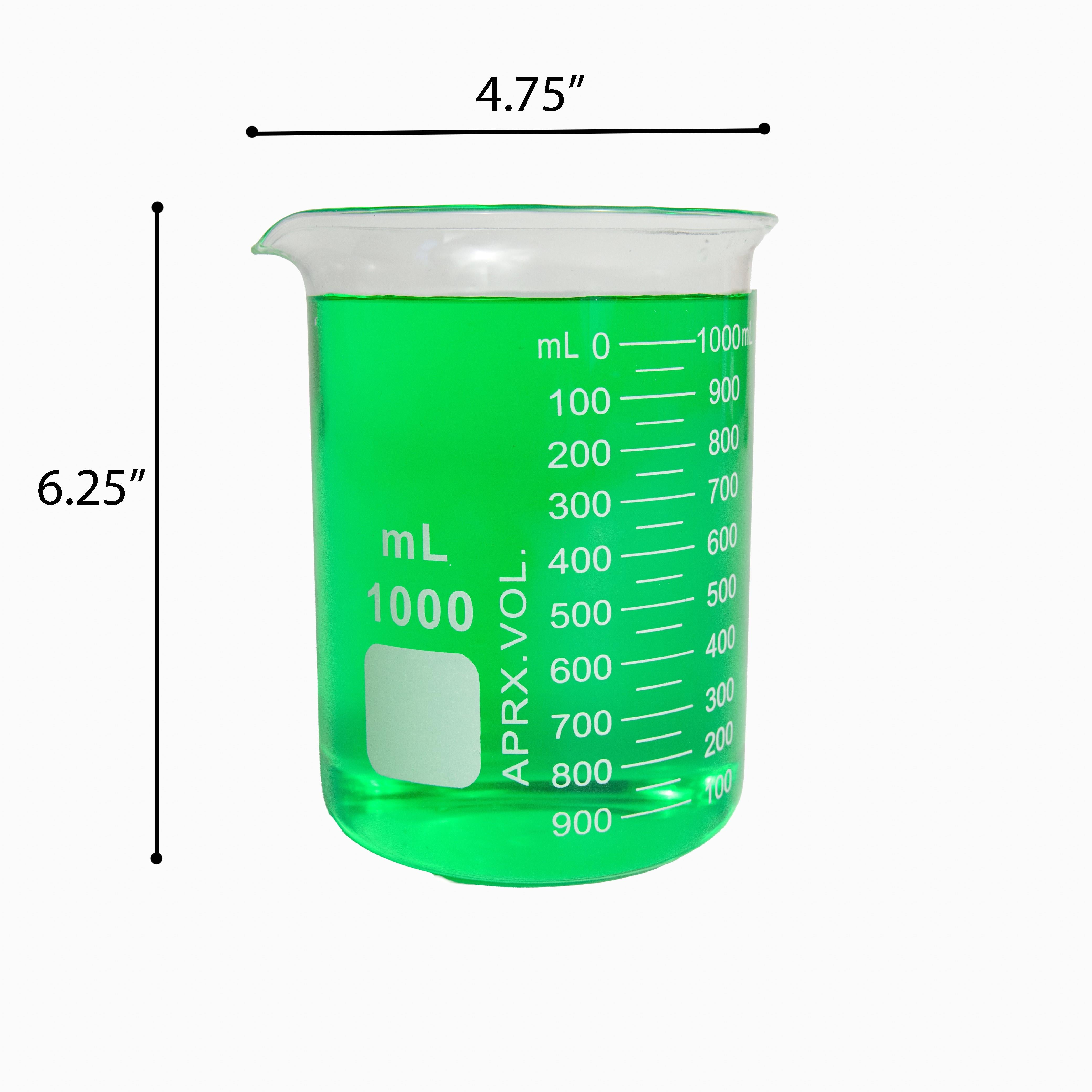
Beakers, flasks, graduated cylinders, test tubes, funnels, droppers, support equipment, and storage containers may be used across chemistry, biology, physics, Earth science, and general science courses.
That makes midyear a good time to look for:
-
Chips or cracks
-
Faded graduations
-
Missing sizes
-
Incomplete sets
-
Damaged racks or holders
-
Equipment that is difficult to clean
-
Items that are consistently in short supply
Frequently used laboratory items are easy to take for granted because they are not tied to just one lesson.
However, these basic tools often support more investigations than specialized equipment.
Keeping them organized and available can have a significant effect on how easily teachers can implement hands-on science.
Ask Teachers What Takes Too Long to Set Up
One of the most valuable questions department leaders can ask teachers is:
Which investigations are harder to prepare than they should be?
Preparation time affects instruction.
If teachers need 30 minutes to locate components, assemble incomplete sets, or move equipment between rooms, they may be less likely to use that investigation again.
That is especially true when several lab activities occur during the same week.
Sometimes the solution is more equipment.
Sometimes it is better storage.
Sometimes equipment needs to be organized into complete investigation sets.
Sometimes standardizing equipment across classrooms can reduce preparation time.
The goal should be to remove unnecessary barriers between a good lesson idea and actually carrying it out with students.
Review Consumables Before They Become Urgent
Consumables can disappear quickly once laboratory work begins.
By mid-semester, teachers should have a much clearer picture of actual usage than they did in August.
Review commonly used materials and ask:
How much is left?
How quickly is it being used?
Which upcoming units will require it?
Is there enough for multiple classes?
Does the department need to reorder before the next major investigation?
Waiting until the day before a laboratory activity to discover that an essential material is gone creates avoidable problems.
A simple mid-semester check allows purchasing to become proactive instead of reactive.
Look Ahead to the Second Half of the Year
A laboratory review should not focus only on what happened during the first semester.
Look at what is coming next.
Which major investigations are planned for winter and spring?
What equipment will those units require?
Are several courses likely to need the same resources at the same time?
Will students need equipment they have not used yet this year?
Are there items that need to be ordered early?
This is especially useful for department chairs and administrators.
It creates time to make thoughtful purchasing decisions rather than responding to urgent requests shortly before an activity.
Ask Whether Students Are Getting Enough Opportunities to Collect Their Own Data
Equipment planning should ultimately connect back to student experience.
A useful question for any science department is:
How often are students generating their own evidence?
Are they measuring variables?
Comparing conditions?
Recording observations?
Conducting repeated trials?
Graphing results?
Analyzing patterns?
Explaining unexpected outcomes?
There will always be times when a teacher demonstration is the best instructional choice.
But if equipment limitations consistently prevent students from conducting investigations themselves, that is worth addressing.
Laboratory readiness is not just about having organized shelves.
It is about making meaningful science experiences possible.
Use the Checkup to Support NGSS Science and Engineering Practices
A well-equipped and well-organized science classroom helps teachers provide opportunities for students to engage in Science and Engineering Practices.
Two practices are especially relevant to laboratory readiness.
Planning and Carrying Out Investigations
Students need access to appropriate materials and instruments to gather evidence.
If there are not enough measurement tools, student groups become too large or students spend much of the activity waiting.
Reliable equipment allows students to participate more directly in the investigative process.
Analyzing and Interpreting Data
Students also need meaningful data to analyze.
Reliable measurement tools help students compare trials, identify patterns, evaluate variation, and consider the quality of their evidence.
The equipment itself does not create an NGSS-based lesson.
It supports the type of investigation and evidence-based reasoning that strong science instruction requires.
Look for Opportunities to Standardize Common Equipment
Science departments often accumulate equipment over many years.
One classroom may have one style of balance while another uses something completely different. Different rooms may have different electrical components, stands, glassware sizes, or measurement tools.
Some variation is unavoidable.
But standardizing frequently used equipment can provide advantages.
Teachers become familiar with the same equipment.
Students moving between courses encounter familiar tools.
Replacement parts are easier to manage.
Shared equipment becomes easier to use.
Professional development can focus on common resources.
Purchasing can also become more intentional.
Department leaders do not need to replace functioning equipment simply to make everything identical.
Instead, standardization can become a long-term goal as equipment reaches the end of its useful classroom life.
Build a Priority List Instead of a Wish List
After the review, there will probably be more potential purchases than available budget.
That is normal.
The next step is prioritization.
Consider grouping needs into categories such as:
Immediate: Equipment that is damaged, incomplete, or preventing an essential investigation.
High Use: Equipment used across multiple units, teachers, or courses.
Access: Additional quantities needed so students can participate effectively.
Efficiency: Resources that would significantly reduce preparation time or improve sharing between classrooms.
Future: Equipment that would strengthen instruction but is not currently limiting the curriculum.
This gives teachers, department leaders, administrators, and purchasing staff a clearer picture of what matters most.
Instead of simply saying, “The science department needs more equipment,” the department can explain exactly how each priority supports instruction.
Turn What You Learn Into Better Purchasing Decisions
The middle of the semester provides something that summer purchasing does not:
Real classroom evidence.
Teachers now know which equipment they reach for regularly.
They know which student groups struggled because there were not enough materials.
They know which instruments worked well.
They know which setups created unnecessary preparation problems.
They know which investigations they want to repeat.
That information should guide future purchasing.
The best science equipment investment is not necessarily the newest or most complicated item.
It is equipment that teachers can use effectively, students can use meaningfully, and departments can connect directly to the curriculum.
A Small Checkup Can Strengthen the Rest of the Year
A mid-semester laboratory review does not need to become a major inventory project.
Start with the areas that affect instruction most.
Check the equipment students use to measure.
Identify shortages.
Replace missing components.
Review commonly used labware.
Ask teachers what is difficult to set up.
Look ahead at upcoming investigations.
Then turn those observations into a practical priority list.
A science department that understands what teachers are actually using is in a much better position to make smart equipment decisions.
And a classroom where equipment is complete, accessible, and ready to use gives teachers more opportunities to do what matters most:
Put the tools in students' hands and let them investigate.
At Go Science Crazy, we provide science classroom and laboratory equipment designed to support hands-on investigation, measurement, observation, and discovery across middle and high school science.
As you approach the second half of the school year, now is a good time to ask one simple question:
Is your science equipment helping teachers deliver the curriculum the way they want to teach it?
If the answer reveals a few gaps, you still have time to address them before the next investigation begins.