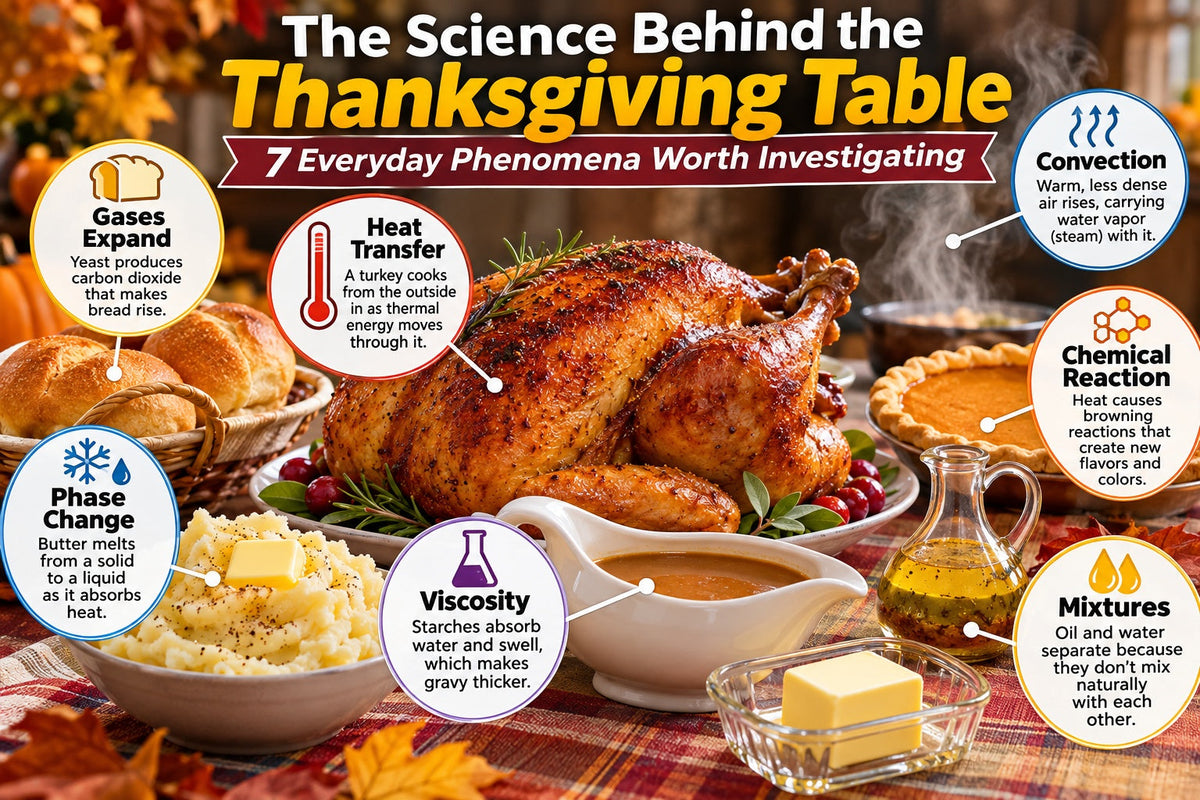
Thanksgiving dinner may not look like a science laboratory, but the table is full of chemistry and physics.
Heat moves through a turkey. Bread rises because gases expand. Butter changes state. Gravy thickens. Foods brown as heat drives chemical reactions. Oil and water separate unless something helps them mix. Steam rises as water molecules escape from hot food.
For science teachers, these familiar experiences create an opportunity to connect classroom concepts with something students already recognize.
The goal does not have to be a Thanksgiving-themed activity simply for the sake of the holiday. Instead, teachers can use familiar foods and cooking processes to ask the same questions scientists ask in a laboratory:
What changed?
What caused the change?
What can we measure?
Which variables matter?
What evidence supports the explanation?
Here are seven Thanksgiving-table phenomena that can become meaningful science lessons.
1. Why Does a Turkey Cook From the Outside In?
A large piece of food provides a useful example of heat transfer.
When a turkey is placed in a hot oven, thermal energy first reaches the outside surface. That energy then moves toward the cooler interior.
This creates a temperature gradient. The outside and inside are not at the same temperature while the food is heating.
The same principle can be investigated without cooking a turkey.
Students can compare objects of different sizes placed in the same environment and measure how quickly their internal temperatures change. Teachers might use water-filled containers, modeling materials, or other safe classroom substitutes.
Students can investigate questions such as:
-
Does a larger object take longer to reach the surrounding temperature?
-
How does surface area affect heating?
-
Does material type change the rate of heat transfer?
-
Does the starting temperature matter?
This turns a familiar cooking question into an investigation involving thermal energy, measurement, variables, and data analysis.
2. Why Does Bread Rise?
Bread provides a visible example of gas production and expansion.
In yeast breads, microorganisms use sugars and produce carbon dioxide. The gas becomes trapped within the dough, creating bubbles that help the dough expand.
During baking, additional changes occur as gases expand and the structure of the bread becomes more rigid.
Students can explore the underlying science without making a complete loaf of bread.
For example, they could compare yeast activity under different conditions such as temperature or sugar concentration. Balloon-and-bottle demonstrations can also make gas production visible.
The important step is moving beyond simply watching the balloon expand.
Ask students to measure.
They might record balloon circumference, gas volume, time, or temperature.
Then they can compare conditions and determine which produced the greatest change.
The Thanksgiving connection attracts attention, but the investigation becomes a lesson in biological activity, gas behavior, chemical change, and experimental design.
3. Why Does Butter Melt?
Butter provides a simple way to introduce phase changes and thermal energy.
A solid does not become a liquid because its particles suddenly disappear or become a different substance.
Energy changes how particles move and interact.
Students can investigate melting with substances that are more practical for a classroom laboratory and compare how temperature affects physical state.
This connects naturally to MS-PS1-4, which asks students to develop models that predict and describe changes in particle motion, temperature, and state when thermal energy is added or removed.
A useful classroom question is:
What evidence tells us that a physical change has occurred rather than a chemical change?
That question can lead students to compare melting, dissolving, reacting, and burning.
The holiday table becomes a starting point for a much larger discussion about matter.
4. Why Does Gravy Get Thicker?
Gravy brings chemistry, mixtures, and physical properties together.
Many gravies thicken because starch interacts with water as it is heated. Starch granules absorb water and swell, changing the mixture's viscosity.
Students encounter viscosity in many places, but food provides an easy visual example.
Teachers could build a classroom investigation around safe liquids of different viscosities.
Students might compare how long equal volumes take to flow down the same inclined surface or through the same opening.
Variables could include:
-
Temperature
-
Concentration
-
Liquid type
-
Distance traveled
-
Flow time
Students could then graph their results and develop an explanation for the differences they observe.
The important lesson is not simply that one liquid is "thicker."
Students are collecting evidence about a measurable physical property.
5. Why Do Foods Turn Brown?
The brown surfaces of roasted meat, baked bread, and other foods provide an entry point into chemical change.
Heating can cause several different processes.
One important process is the Maillard reaction, in which certain sugars and amino compounds react under heat and produce new molecules that contribute to color, aroma, and flavor.
Caramelization is another heat-driven process involving sugars.
These processes are not identical, and that distinction can be useful for older students.
The broader classroom question is:
How can we tell that heating has caused a chemical change?
Students may identify evidence such as:
-
Color change
-
Odor change
-
Formation of new substances
-
Gas production
-
Temperature change during some reactions
This connects naturally with MS-PS1-2, where students analyze and interpret data about substances before and after interaction to determine whether a chemical reaction has occurred.
Teachers do not need to recreate Thanksgiving cooking in the laboratory. The familiar observation simply gives students something recognizable to explain.
6. Why Do Oil and Water Separate?
Salad dressing provides one of the easiest examples of intermolecular interactions and mixtures.
Oil and water do not readily remain mixed because their molecules interact differently.
Shake them together and they may temporarily disperse.
Let the container sit, and the layers begin separating again.
Add an emulsifying substance under the right conditions, and the mixture can remain dispersed much longer.
This creates several classroom questions:
How long does separation take?
Does the ratio of oil to water matter?
Does temperature affect the mixture?
Which substances help keep the liquids dispersed?
Students can change one variable, time the separation, compare trials, and organize their results.
The activity becomes more than a visual demonstration because students are measuring how conditions affect the system.
7. Why Does Steam Rise From Hot Food?
A hot plate of food often appears to produce visible "steam."
What students see is usually a mixture involving water vapor that has cooled and condensed into tiny suspended droplets.
The process connects evaporation, condensation, convection, and thermal energy.
Warm air near the food becomes less dense than surrounding cooler air and moves upward. Water molecules leaving the food become part of that moving air.
As the water vapor cools, some can condense into the tiny droplets that become visible.
This creates an opportunity to distinguish several concepts students often combine:
-
Evaporation
-
Boiling
-
Water vapor
-
Condensation
-
Convection
A teacher might ask:
Why can evaporation happen even when water is not boiling?
That one question can lead to a surprisingly rich discussion of particle motion and energy.
Turn the Thanksgiving Table Into an Investigation
The strongest classroom connection is not simply identifying the scientific concept behind each food.
It is asking students how they could test it.
Suppose a student says that larger objects take longer to heat.
Ask:
How could we test that?
What would students keep constant?
What would they change?
What would they measure?
How many trials would they conduct?
How would they represent the data?
What evidence would support the claim?
Now Thanksgiving science has moved from trivia into scientific investigation.
Measurement Makes the Difference
Many everyday science observations become much more valuable when students add a measurement.
Instead of:
"The liquid flowed slowly."
Students can measure how long it took to travel a certain distance.
Instead of:
"The container became warmer."
Students can record temperature.
Instead of:
"The balloon got bigger."
Students can measure circumference.
Instead of:
"The mixture separated."
Students can measure how long separation took.
This progression is at the heart of hands-on science:
Observe → Measure → Compare → Analyze → Explain
Students begin with something familiar and finish by using evidence.
NGSS Connections
Thanksgiving-table science can support several NGSS Performance Expectations depending on how the investigation is structured.
MS-PS1-2: Matter and Its Interactions
Students analyze and interpret data on the properties of substances before and after interaction to determine whether a chemical reaction has occurred.
MS-PS1-4: Matter and Its Interactions
Students develop models that describe changes in particle motion, temperature, and state when thermal energy is added or removed.
MS-PS3-4: Energy
Students plan an investigation to determine relationships among energy transfer, type of matter, mass, and changes in temperature.
HS-PS3-4: Energy
Students plan and conduct investigations involving thermal energy transfer between components at different temperatures.
Relevant Science and Engineering Practices may include Planning and Carrying Out Investigations, Analyzing and Interpreting Data, Developing and Using Models, Using Mathematics and Computational Thinking, and Constructing Explanations.
The holiday theme is not what makes an activity NGSS-connected.
What matters is what students actually do with the science.
A Useful Reminder for Science Departments
Seasonal topics also highlight an important point for department chairs and administrators.
Strong hands-on science does not always require highly specialized equipment.
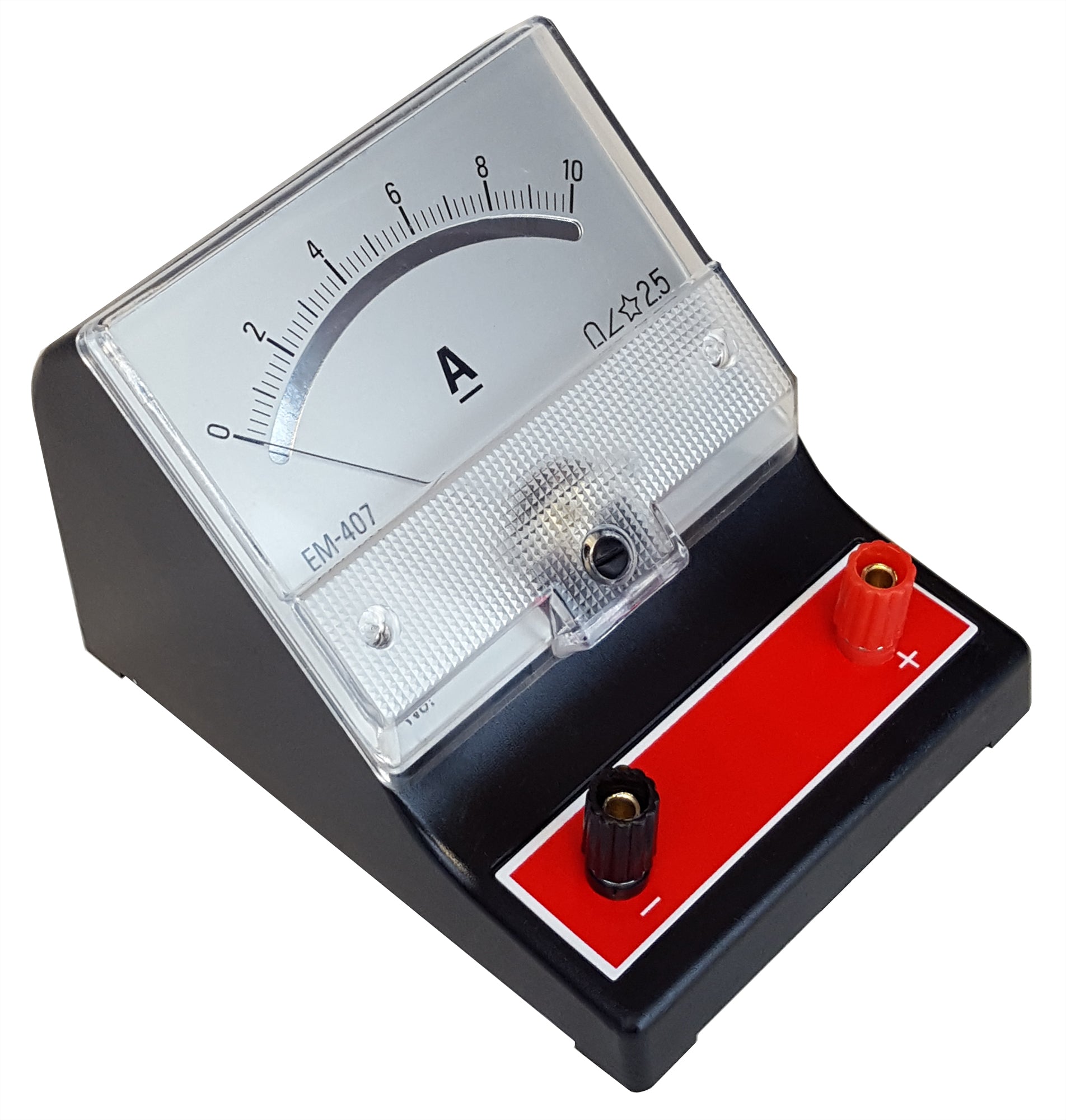
Many valuable investigations depend on reliable basic tools:
-
Thermometers
-
Balances
-
Graduated cylinders
-
Timers
-
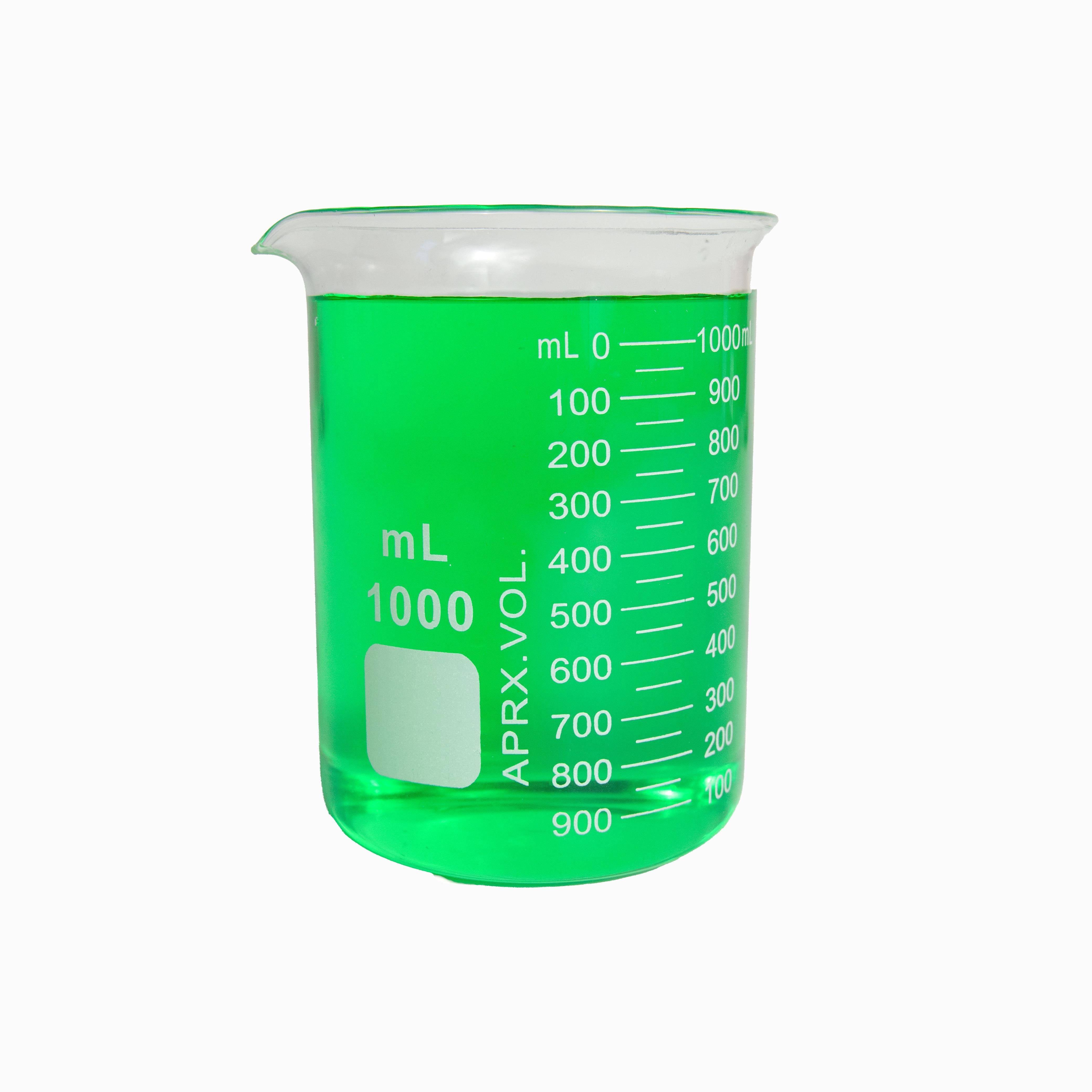
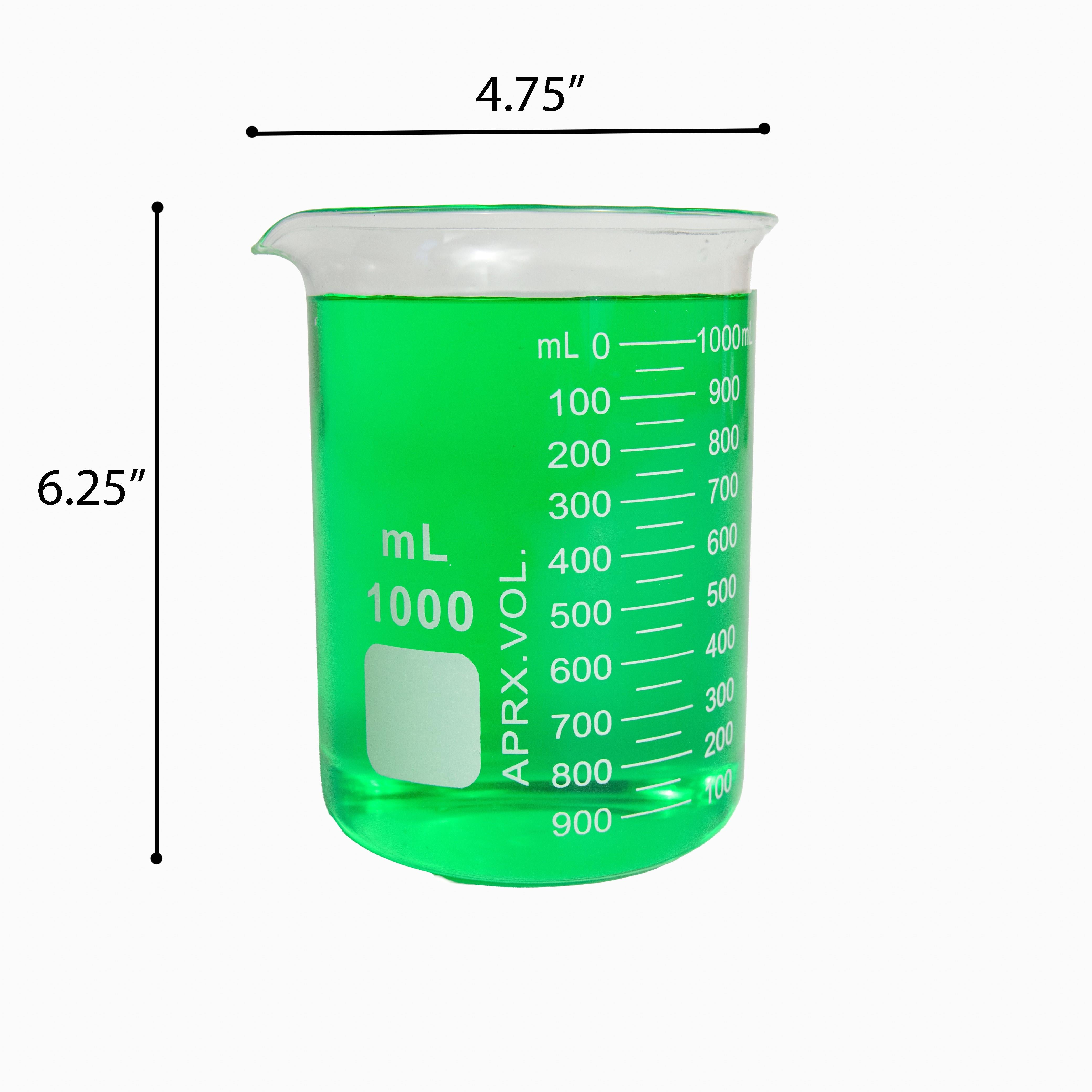
Beakers
-
Flasks
-
Measuring tools
-
Support equipment
These are the instruments students use repeatedly to turn observations into data.
When departments plan equipment purchases, it is worth asking which tools can support investigations across multiple courses and throughout the school year.
A thermometer used during a Thanksgiving heat-transfer lesson may later support chemistry, weather science, environmental investigations, and other laboratory work.
That repeated instructional use is what makes basic science equipment so valuable.
Science Is Already on the Table
Students do not need to travel to a research laboratory to encounter interesting scientific questions.
They are surrounded by them.
Why did this melt?
Why did that rise?
Why did the color change?
Why did these liquids separate?
Why did the inside take longer to heat?
Why are droplets forming?
Thanksgiving provides an especially visible reminder that science is not limited to textbooks, laboratories, or carefully designed demonstrations.
Science is happening whenever matter changes, energy moves, gases expand, liquids mix, temperatures change, and people stop long enough to ask:
Why did that happen?
That question can turn an ordinary holiday observation into the beginning of a real investigation.
At Go Science Crazy, we believe some of the best science lessons begin with something students already recognize and then give them the tools to investigate it.
This Thanksgiving, the next good science question might already be sitting on the table.