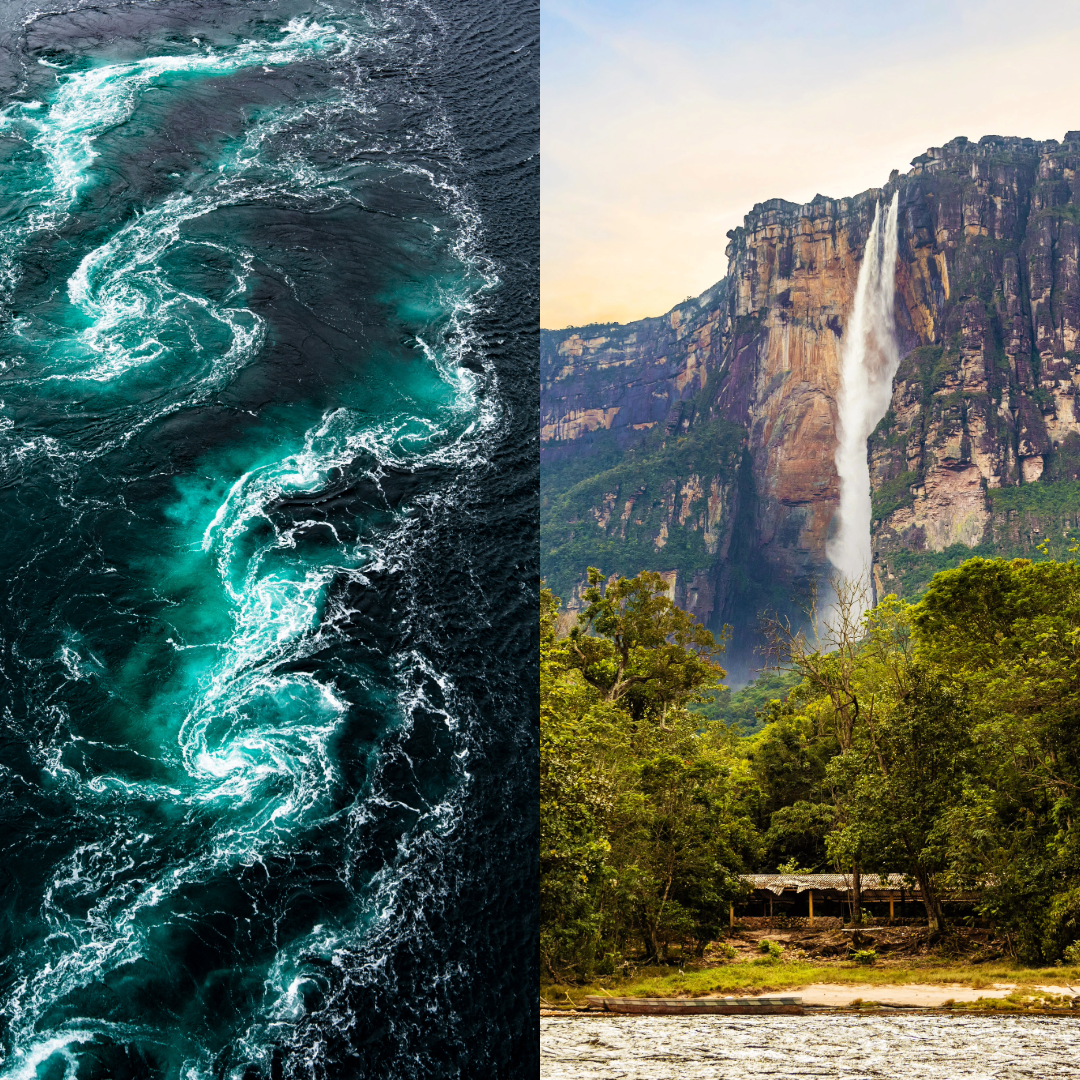
Strait Down: The Science Behind Earth's Largest Waterfall

Strait Down: The Science Behind Earth's Largest Waterfall

Taylor Burns
Beneath the Denmark Strait lies the largest waterfall on Earth, invisible, silent, and driven entirely by liquid convection. Here's what's happening, why it matters, and how you can demonstrate the same principle in your classroom.
How to Choose NGSS Labs for the New School Year

How to Choose NGSS Labs for the New School Year

Taylor Burns

A practical framework for selecting NGSS-aligned labs across high school biology, physics, and earth science. Includes specific expectation callouts, questions used to evaluate any lab before committing, key takeaways, and FAQs for science educators planning their fall lineup.

Four Biology Misconceptions That Are Actually Great Teaching Opportunities

Four Biology Misconceptions That Are Actually Great Teaching Opportunities

Taylor Burns

Four persistent biology misconceptions, from evolution as a ladder to genes as destiny, and how current research and classroom-ready activities can help middle and high school teachers replace them with a more honest, more interesting picture of life.

S'mores, Storms, and Sediment: The Science of Every Campsite

S'mores, Storms, and Sediment: The Science of Every Campsite

Taylor Burns
Camping season and Earth Day arrive together this week. Explore the science behind every facet of camping, from tent physics and campfire chemistry to weather reading and geology, plus a guide to camping accessibility and resources for every experience level.
NASA astronaut and Artemis II Commander Reid Wiseman peers out of one of the Orion spacecraft's main cabin windows at Earth.  Image Credit: NASA

How to Return to Earth: Artemis II Coming Home

Taylor Burns
Artemis II has broken the record for the farthest humans have ever traveled from Earth. This follow-up post recaps the mission stats, explores the environment at lunar distance, and dives deep into the physics of reentry and the skip trajectory bringing the crew home.
How to Get to the Moon: The Physics of Artemis II

How to Get to the Moon: The Physics of Artemis II

Taylor Burns
NASA's Artemis II launches today, sending four astronauts on humanity's first crewed journey to lunar distance in over 50 years. Break down the rocket specs, spacecraft, mission profile, and the physics making it all possible.
Go Outside. It's Science.🪻(Happy Spring Equinox)🐝

Go Outside. It's Science.🪻(Happy Spring Equinox)🐝

Taylor Burns

Spring is here, bringing one of the year's best opportunities for hands-on science. Explore the astronomy behind the equinox, classroom activities, outdoor investigations, and ideas for home educators and science enthusiasts.
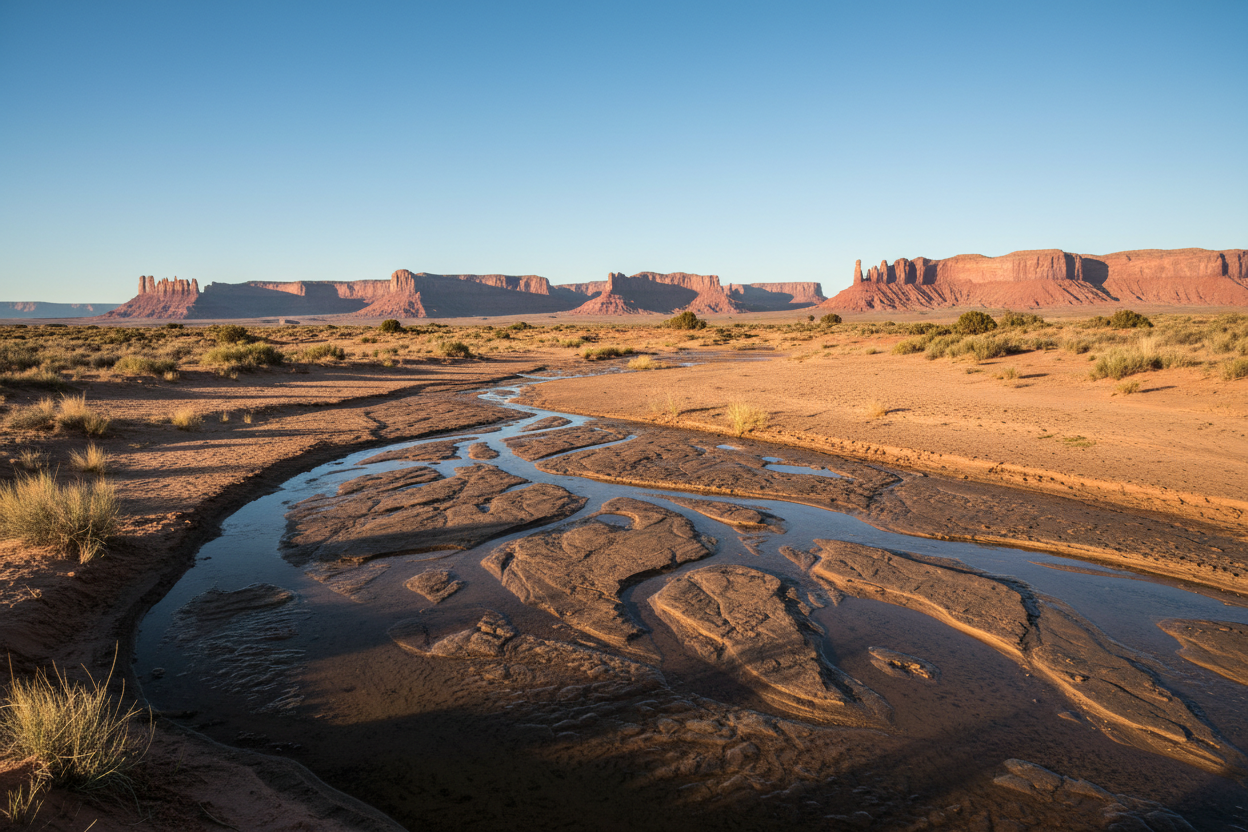
The Science of Quicksand: America's Shifting Sands Are More Than Just a Movie Trope

The Science of Quicksand: America's Shifting Sands Are More Than Just a Movie Trope

Taylor Burns
Explore the real physics and environmental science behind quicksand at Glen Canyon. Learn about non-Newtonian fluids, density, buoyancy, and how changing water levels create hazardous conditions, plus classroom applications for teaching these concepts.
The Real Classroom Value of Our Bestselling Lab Equipment
The Real Classroom Value of Our Bestselling Lab Equipment

Taylor Burns
Explore three essential pieces of lab equipment every science classroom needs: dual wick alcohol burners for safe heating, stainless steel dissecting pans for anatomical study, and glass specimen jars for organized storage. Learn their applications and benefits.
Missouri's Cave State Legacy: Exploring Underground Atmospheres and Earth Science

Missouri's Cave State Legacy: Exploring Underground Atmospheres and Earth Science

Taylor Burns
Discover the science behind Missouri's 6,000+ caves and explore the unique atmospheric conditions found underground. Learn how caves form, why their environments differ from the surface, and how to bring cave science into your classroom.