
GSC Blog

How to Get to the Moon: The Physics of Artemis II
NASA's Artemis II launches today, sending four astronauts on humanity's first crewed journey to lunar distance in over 50 years. Break down the rocket specs, spacecraft, mission profile, and the physics making it all possible.
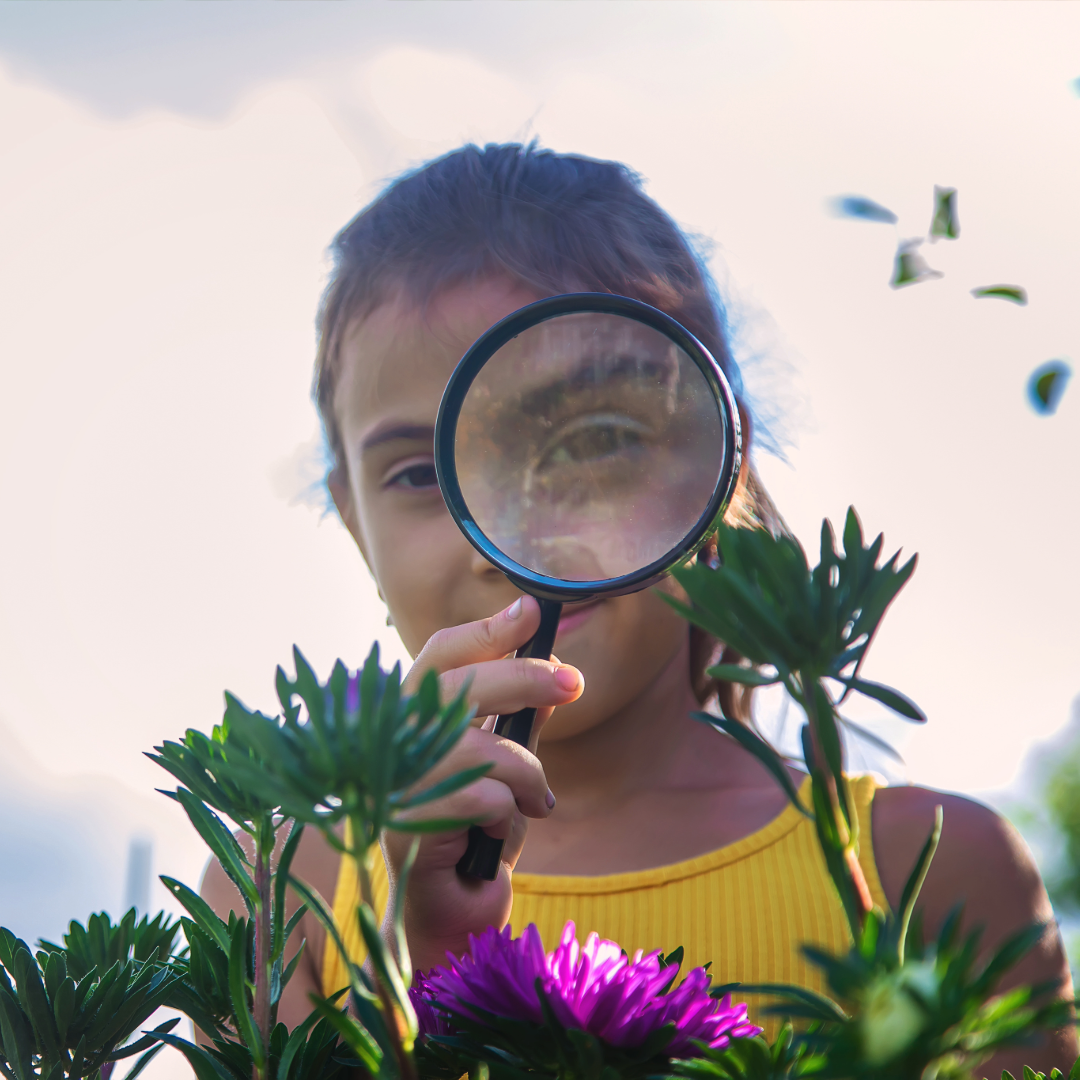
Go Outside. It's Science.🪻(Happy Spring Equinox)🐝
Spring is here, bringing one of the year's best opportunities for hands-on science. Explore the astronomy behind the equinox, classroom activities, outdoor investigations, and ideas for home educators and science enthusiasts.
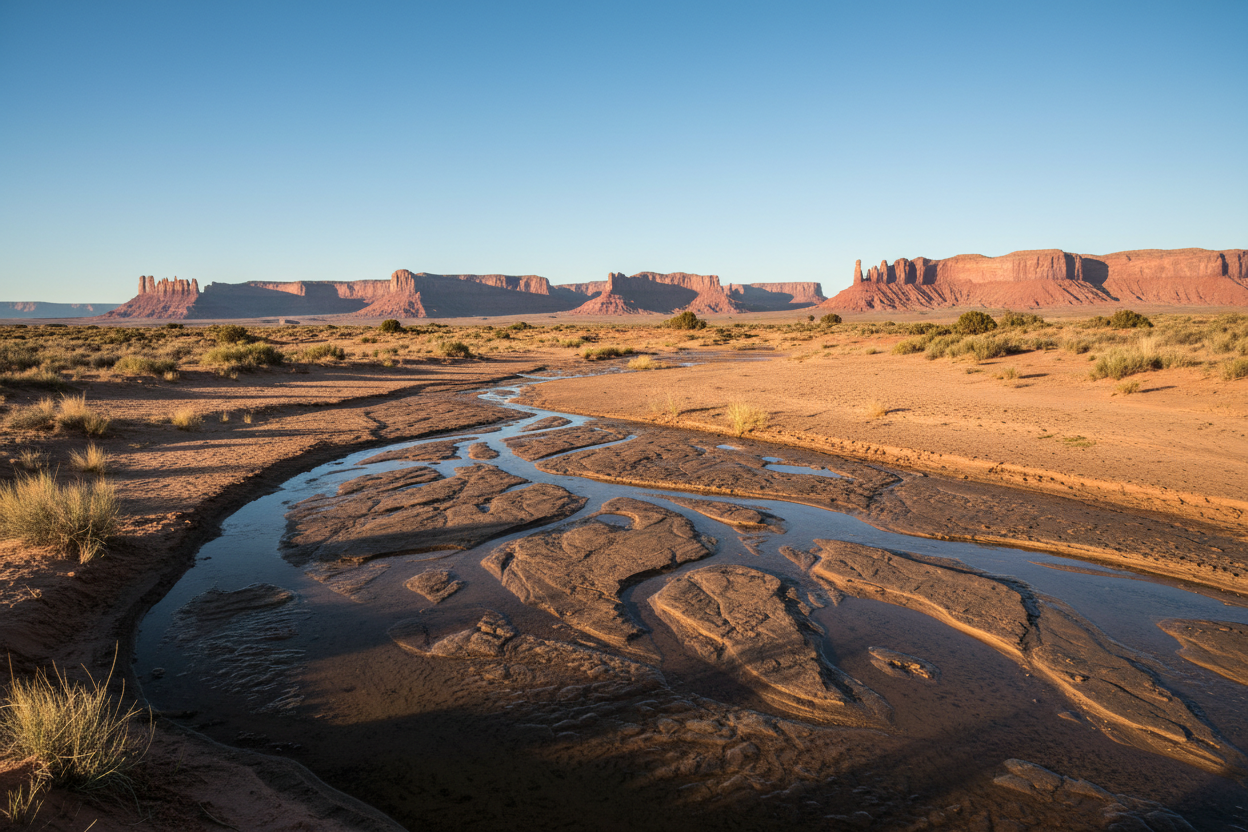
The Science of Quicksand: America's Shifting Sands Are More Than Just a Movie Trope
Explore the real physics and environmental science behind quicksand at Glen Canyon. Learn about non-Newtonian fluids, density, buoyancy, and how changing water levels create hazardous conditions, plus classroom applications for teaching these concepts.

The Real Classroom Value of Our Bestselling Lab Equipment
Explore three essential pieces of lab equipment every science classroom needs: dual wick alcohol burners for safe heating, stainless steel dissecting pans for anatomical study, and glass specimen jars for organized storage. Learn their applications and benefits.
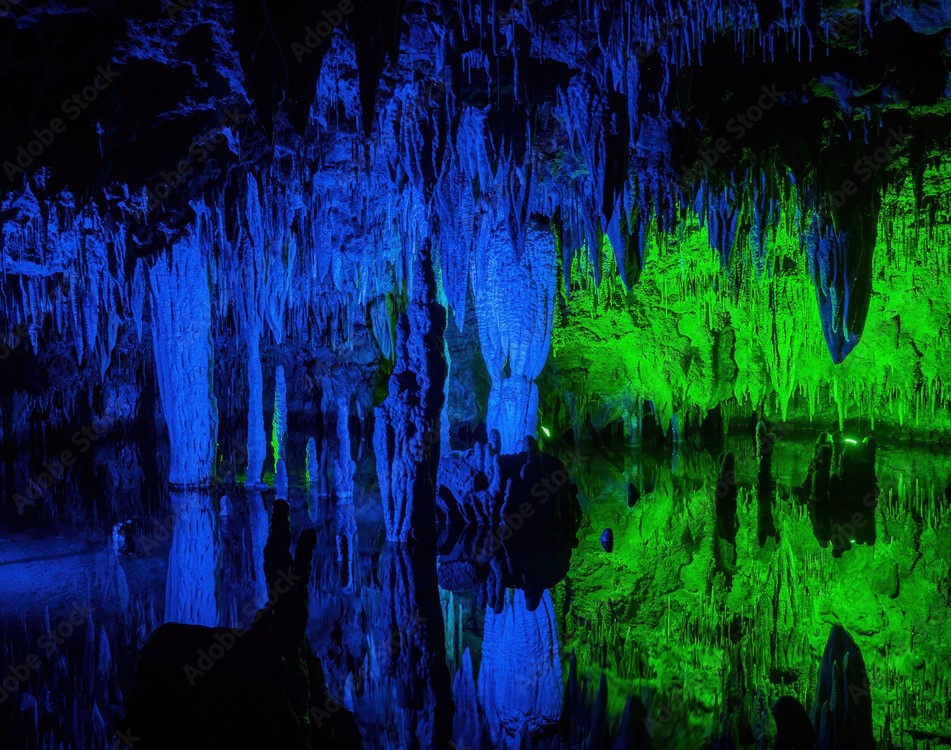
Missouri's Cave State Legacy: Exploring Underground Atmospheres and Earth Science
Discover the science behind Missouri's 6,000+ caves and explore the unique atmospheric conditions found underground. Learn how caves form, why their environments differ from the surface, and how to bring cave science into your classroom.
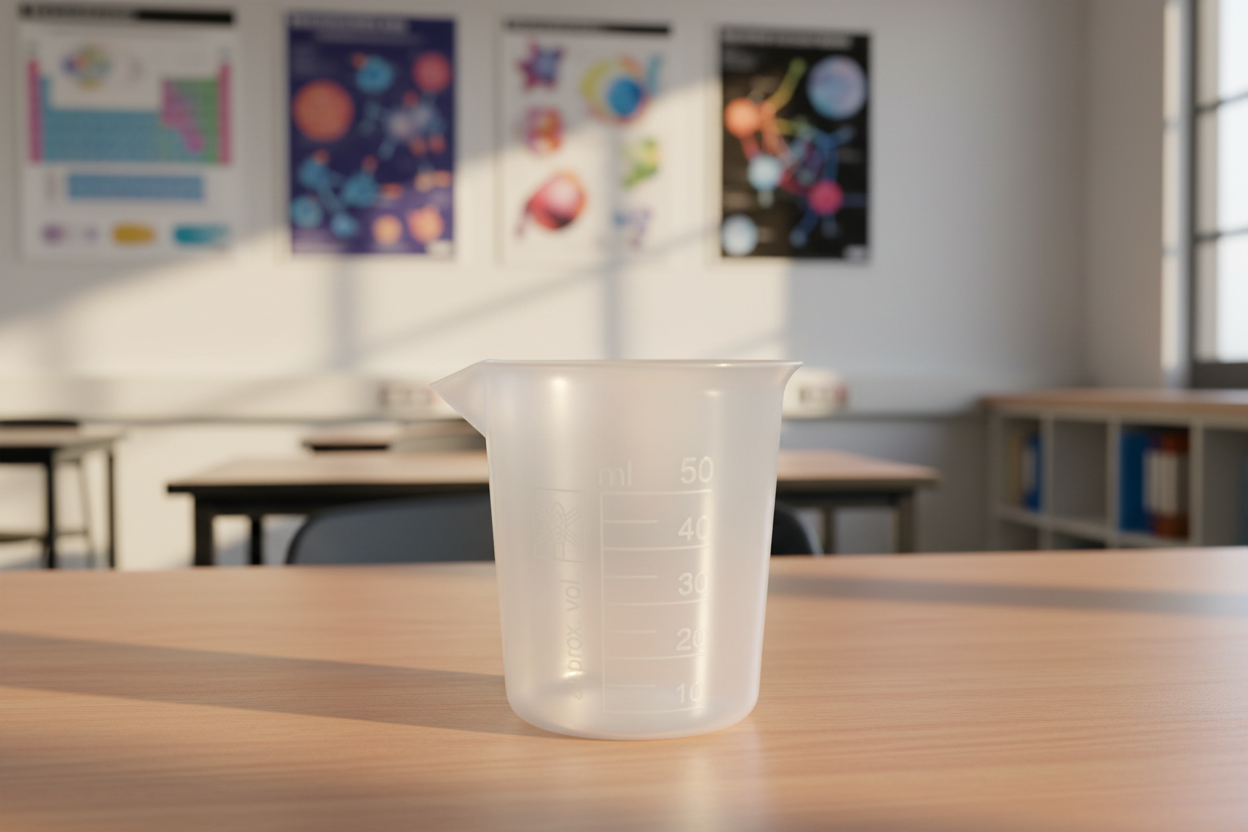
Why Polypropylene Beakers Are the Smart Choice for Classroom Science
Discover why polypropylene beakers are becoming the preferred choice for classroom labs. Learn about their safety advantages, chemical resistance, durability, and cost-effectiveness compared to traditional glass beakers.
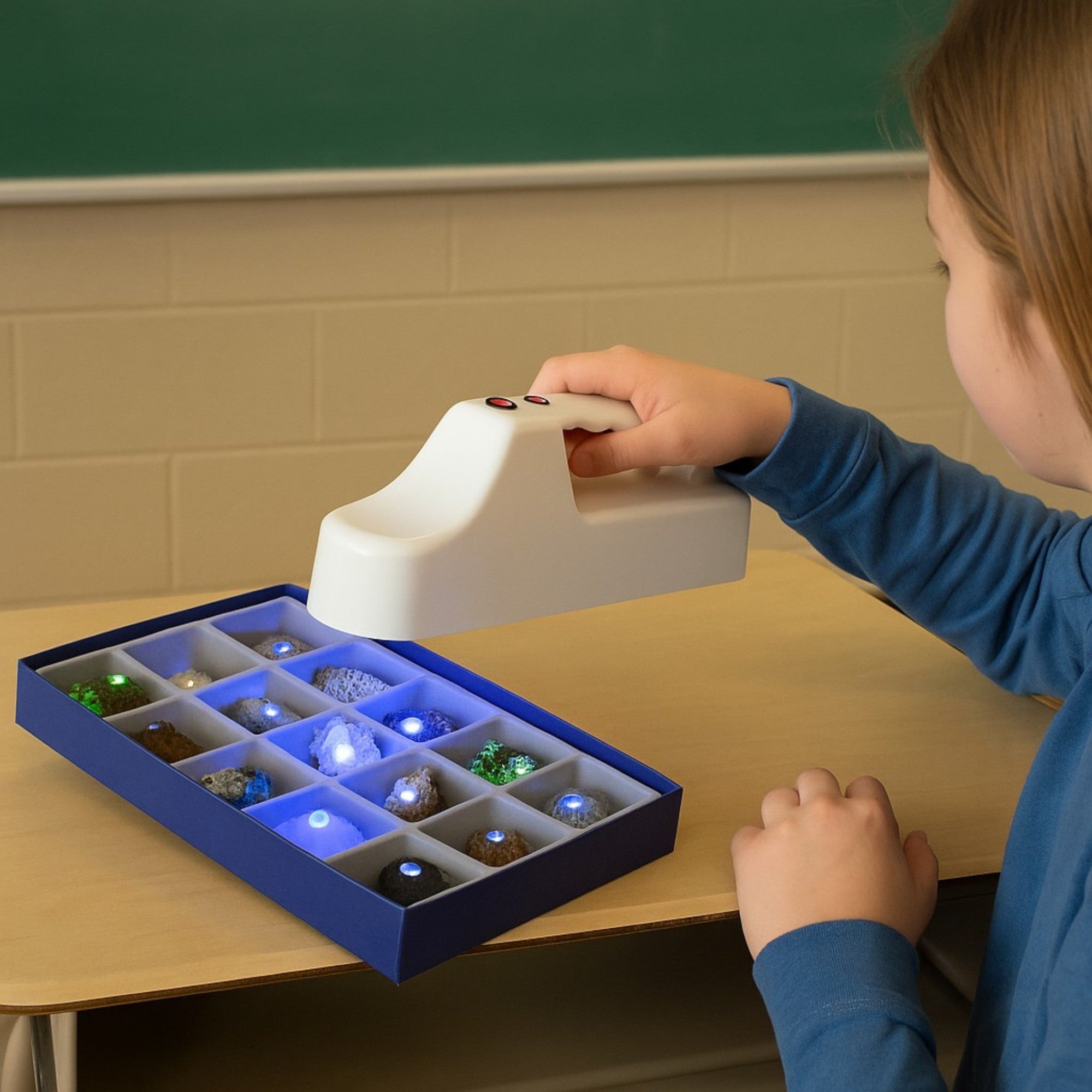
The Science of Fluorescence: How Minerals Glow Under UV Light
Discover the fascinating atomic physics behind fluorescent minerals and learn why different UV wavelengths make minerals glow in brilliant colors. A deep dive into the science of our Fluorescent Mineral Kit.
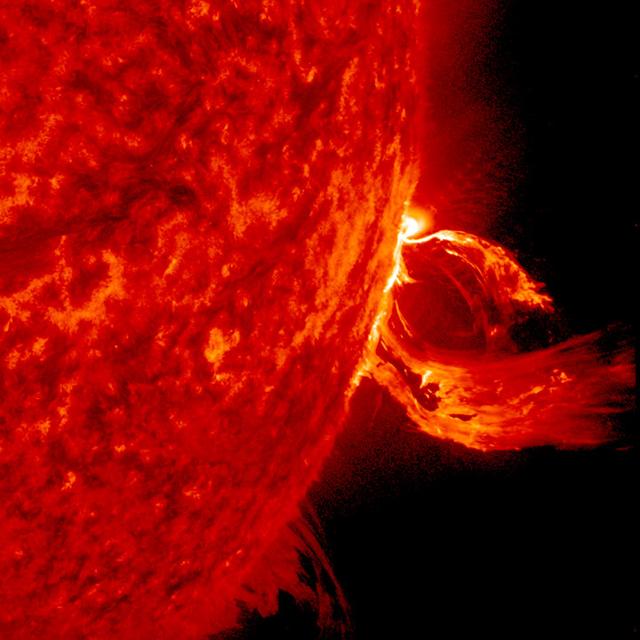
Cosmic Light Shows Across the U.S.
On the night of January 19, 2026, skywatchers across much of North America and Europe were treated to a rare sight: the aurora borealis, or norther...
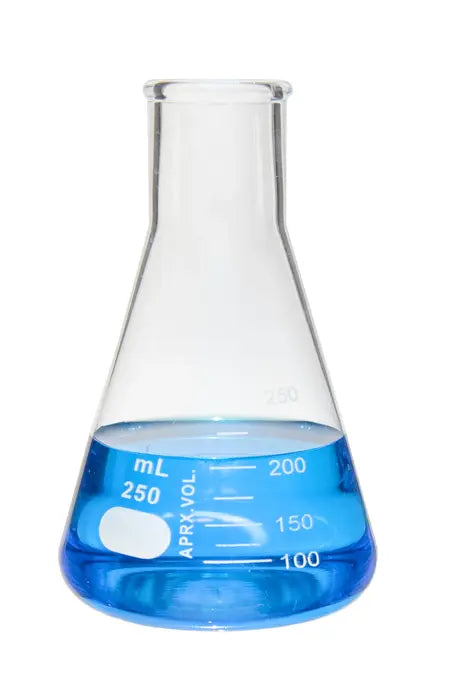
Choosing The Ultimate Erlenmeyer Flask: Making Science Safe And Fun
When you're experimenting with science, whether in the lab, at school, or even at home, the equipment you're using can be all that matters. Not onl...
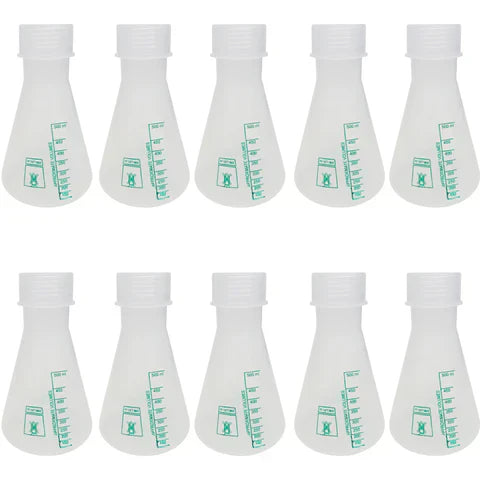
Why the Erlenmeyer Flask Belongs in Every Lab Kit
Whether you're setting up a classroom lab, a homeschool science corner, or a professional workbench, some tools are simply indispensable. One of ...